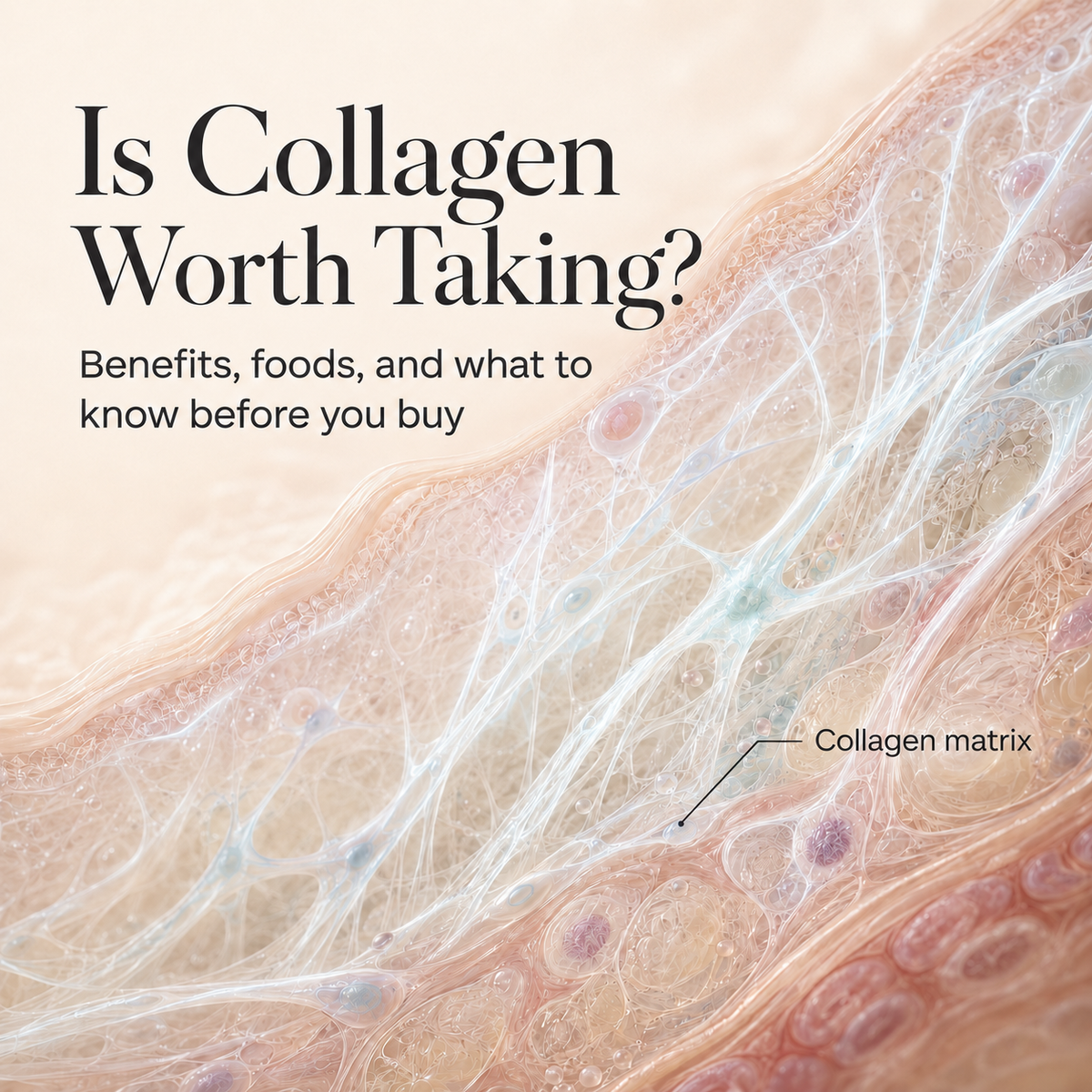
Is Collagen Worth Taking? Benefits, Foods, and What to Know Before You Buy
Collagen may support skin, joints, connective tissue, and recovery as we age, but it is not a miracle powder. Learn what collagen does, which foods are rich in collagen, what to avoid, and how to decide whether collagen powder is worth trying.
I am 62 years old, and apparently I waited until the wrinkles showed up, the joints got stiff, and my skin started looking a little less enthusiastic before I seriously thought about collagen.
Collagen is one of those things I used to file under beauty trends. Skin. Hair. Nails. Maybe a scoop in coffee if you were the kind of person who had your wellness life more organized than mine.
But collagen is not just about looking younger.
It is part of the structure that helps hold the body together. Skin, joints, tendons, ligaments, bones, fascia, blood vessels, and connective tissue all depend on collagen. And as we get older, the body does not produce and maintain it the same way it once did.
So the real question is not just, “Should I take collagen?”
The better question is:
Why did I wait until my body started showing the cost of collagen loss before I asked what it needed?
That is what this article is about.
A practical look at what collagen can realistically do, what your body uses it for, and how to decide whether it is worth adding before you spend money on another supplement.
Frequently Asked Questions About Collagen
What does taking collagen do for your body?
Taking collagen gives your body amino acids it can use to support connective tissue, including skin, joints, tendons, ligaments, and bones. It does not force your body to rebuild collagen overnight, but it may help provide raw materials your body needs as natural collagen production changes with age.
Which food is rich in collagen?
Collagen is found in animal connective tissue, so the richest food sources include bone broth, slow-cooked meats, chicken skin, fish skin, and cuts that contain cartilage or connective tissue. Your body also needs nutrients like vitamin C and enough total protein to support its own collagen production.
Who should not take collagen?
People with allergies to the collagen source, kidney disease, protein restrictions, or complex medical conditions should be more cautious with collagen supplements. Anyone pregnant, breastfeeding, or taking medications should use their own judgment and ask a qualified clinician if they are unsure.
Table of Contents
- What does collagen do for your body?
- What are the benefits of taking collagen?
- Which foods are rich in collagen?
- What should you avoid when taking collagen?
- Who should not take collagen?
- How do you choose a collagen powder?
In this article, you’ll learn:
- What collagen does in the body
- Why collagen becomes more important with age
- Which foods are naturally rich in collagen
- What collagen supplements may and may not help with
- What to avoid when choosing collagen
- Who should be cautious with collagen supplements
- How to decide whether collagen powder is worth adding to your routine

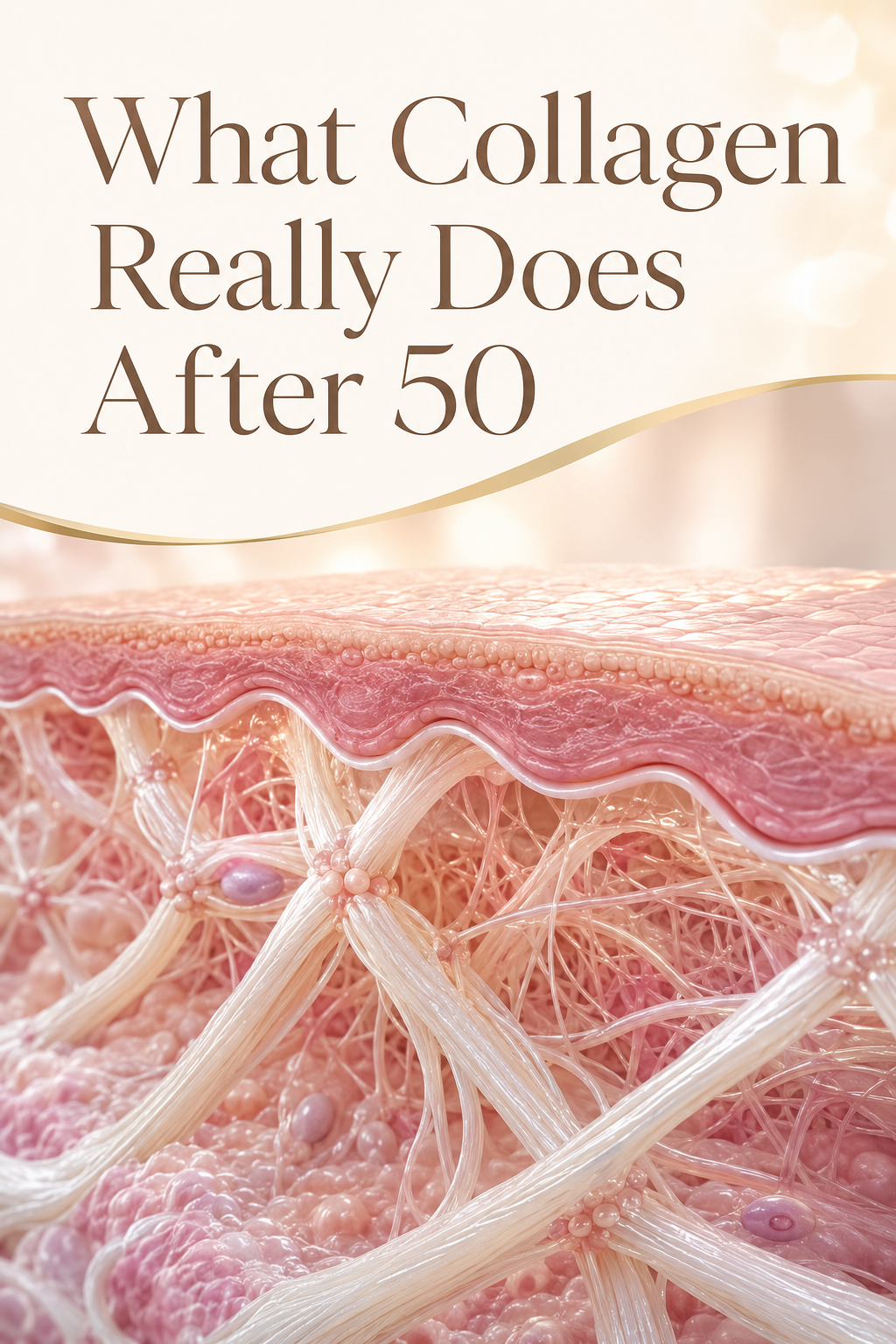
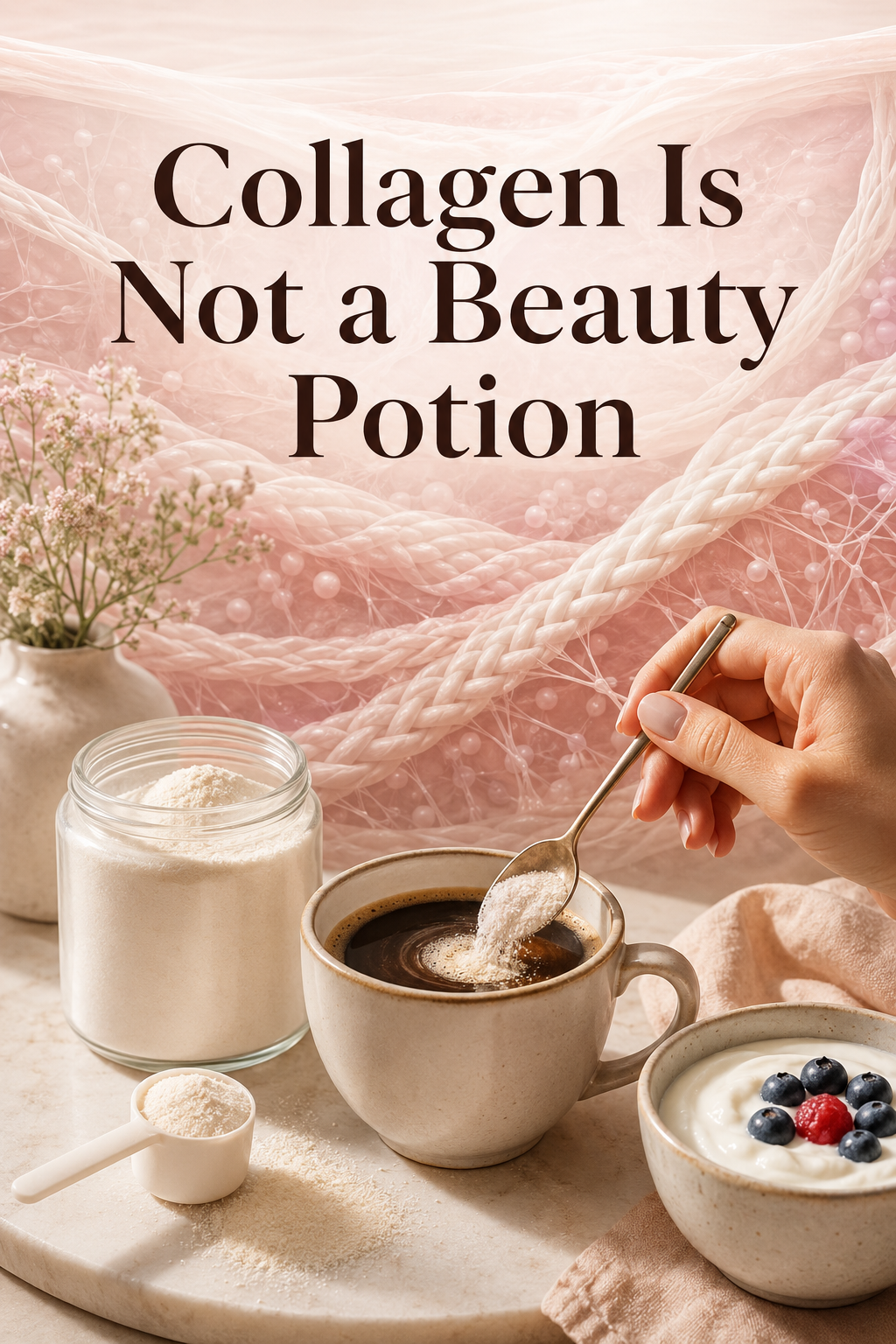
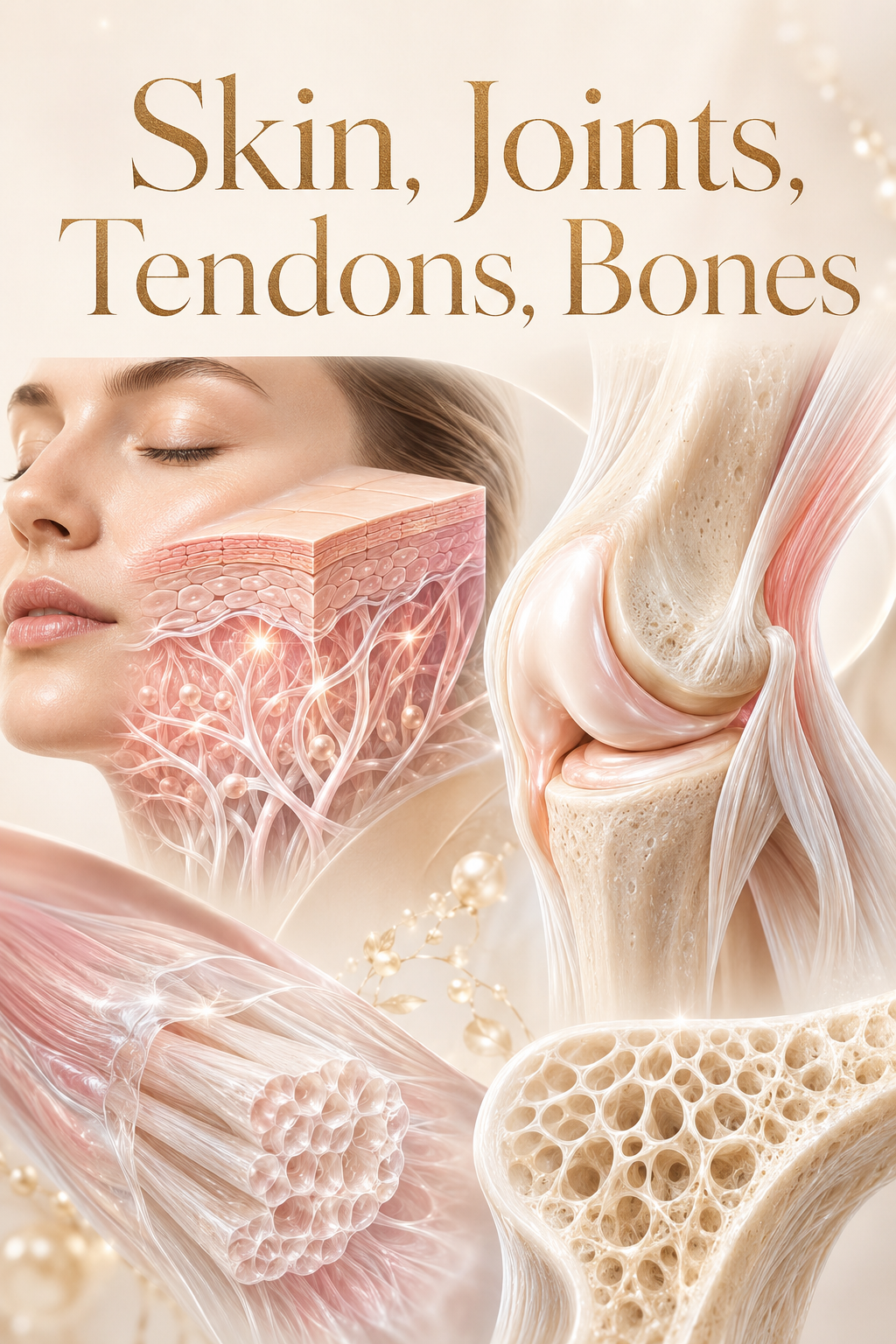

What does collagen do for your body?
Taking collagen gives your body amino acids it can use as raw material for stronger, more resilient tissue. It does not rebuild your skin or joints overnight, but it may help support the structure your body is constantly trying to maintain, especially as natural collagen production changes with age.
The part I wish I had thought about sooner is this:
Collagen is not just about the face.
That is usually where we notice the change first.
You look in the mirror and think, “When did my skin start doing that?”
But it is not only about beauty. You also may notice stiff joints, tight muscles, and overall longer recovery from exercise.
This is where it stops being about beauty and more about your body.
It's still not the whole answer. I don't want to make collagen sound bigger than it is. But I also don't want to dismiss it as vanity when the body may be asking for more support than we realized.
This is part of the bigger repair picture I talk about in Why Healing Slows With Age.
So the better question is not only, “Should I take collagen?”
The better question is:
Is my body getting what it needs to maintain structure as I age?
What are the benefits of taking collagen?
Collagen gives your body raw material to build with.
The mistake is expecting raw material to do the whole job.
If collagen helps, it usually helps quietly. Not in a dramatic “new person by Friday” way. More like I can get out of bed with a little less stretching required.
That is the part worth paying attention to.
Collagen is not a command. It is support.
Your body still decides where those amino acids go. It may use them as part of skin repair, joint support, connective tissue maintenance, or other protein needs. That is why no collagen powder can promise exactly where the benefit will show up first.
This is also why the quality of the rest of the system matters.
If digestion is struggling, if total protein is low, or if the body is constantly dealing with inflammation, collagen may not feel like much. Not because collagen is useless, but because the body is trying to build in a stressed environment.
A plain hydrolyzed collagen peptide powder can be useful because it is simple. You can add it to coffee, tea, or a smoothie without turning breakfast into a project. And for me, that matters. Complicated routines tend to die in the cabinet.
But the decision should be honest.
Collagen may be worth trying when you understand it as building material, not a rescue plan.
Which foods are rich in collagen?
This is the part that annoys me a little.
In an industrialized world where health care is supposed to be so advanced, we keep finding our way back to what our forefathers already knew.
Bone broth. Slow-cooked meats. Chicken skin. Fish skin. Gelatin. Tougher cuts that need time. The parts of the animal people used to use because they were not trying to make food look good for the camera.
Collagen is found in animal connective tissue.
So if most of what we eat is boneless, skinless, and trimmed, we may not be getting the same kind of structural building material people used to get without turning it into a wellness project.
Now we have to be told that broth, slow cooking, and using more of the animal might be good for us, as if this is breaking news from the wellness industry.
It is not.
It is old wisdom wearing a new label.
So, the question is simple:
Am I giving my body the raw materials it needs to maintain structure, repair, and resilience as I age?
Food first, when that works.
A simple collagen powder when it does not.
And because your body still has to digest and use what you give it, this connects back to the bigger gut picture I talk about in Gut & Digestion Reset. Collagen can help support the structure, but digestion is part of whether those building blocks actually get where they need to go.
What should you avoid when taking collagen?
The main thing to avoid is magical thinking.
I say that with love, because I am fully capable of buying a supplement and quietly expecting it to reorganize my entire life by next Thursday.
Collagen is not that.
If you take collagen while your body is underfed, under-rested, inflamed, stressed, or already struggling to digest what you give it, one scoop in your coffee may not feel like much.
Not because collagen is worthless.
Because your body is not a vending machine.
You do not put in collagen and press the “better skin” button.
Your body has to break it down, use what it can, and send those amino acids where they are needed. That may or may not match the reason you bought it.
I would also be careful with collagen powders that are trying too hard. The more a product turns into a beauty potion, the less interested I am. I do not need flavors, sweeteners, gums, mystery blends, and a label that looks like it was designed to make me feel behind in life.
I want simple.
Hydrolyzed collagen peptides. Unflavored. Easy to mix. Something I can put in coffee or morning yogurt, without turning breakfast into a ceremony.
And I would avoid treating collagen like it can make up for everything else.
If you are barely eating enough protein, not getting enough vitamin C, sleeping poorly, or constantly irritating your digestion, collagen may not have much to work with.
That does not mean you have to be perfect before you use it.
It just means collagen works better when your body has the basics it needs to use what you are giving it.
That means collagen is support.
Not a rescue plan.
Not a replacement for food.
Not proof that we are “doing health” while ignoring the basics our body keeps asking for.
Who should not take collagen?
Most people treat collagen like it is harmless because it sounds gentle.
And for many people, it probably is.
But “natural” does not mean “automatically right for every body.”
If you are allergic to the source, obviously skip it. Marine collagen is not your friend if fish is not your friend. Bovine collagen may not be the best idea if beef is a problem for you.
I would also be more careful if you have kidney disease, have been told to restrict protein, are pregnant or breastfeeding, or have a medical situation where even small changes matter.
That is not me being dramatic.
That is me refusing to pretend every supplement belongs in every kitchen.
For everyone else, collagen is still worth paying attention to like anything else you add. Start simple. Notice how your body responds. Do not ignore bloating, itching, headaches, reflux, or anything that clearly starts after you add it.
Your body gets a vote.
Always.
How do you choose a collagen powder?
I would keep this boring.
That's my honest collagen shopping advice.
The more exciting the label gets, the less I trust it.
I want hydrolyzed collagen peptides, unflavored, with as few extra ingredients as possible. Something that dissolves easily and does not turn my coffee into a vanilla cupcake science experiment.
That's why a plain option like this Collagen Peptide Powder makes sense to me. It's simple, unflavored, gluten free, and easy to add to coffee, tea, or a smoothie.
Nothing glamorous.
Which is kind of the point.
When I am choosing collagen, I'm not looking for a beauty potion. I'm looking for a practical way to give my body extra amino acids without adding another complicated routine.
Because the best supplement is not the one with the prettiest promise.
It's the one you can actually use consistently.
Collagen is one piece of the repair picture.
Not the whole picture.
And that's usually where people get stuck. We try one supplement, wait for one result, and then decide whether it “worked” or “didn’t work.”
But the body is rarely that simple.
Skin, joints, digestion, inflammation, sleep, hormones, protein intake, and recovery all tell part of the story.
That's why I care less about chasing one perfect supplement and more about learning how to read the signals your body's already giving you.
If your body is changing and you are not sure where to start, my free Body Signal Starter can help you begin noticing the pattern instead of guessing at random.
The article continues below for Restoration Framework members with a deeper look at collagen, aging tissue, digestion, and how to think through whether collagen belongs in your bigger repair picture.