Chronic Anxiety, Chronic Stress, and the Growing Interest in Selank Peptide
Chronic anxiety, racing thoughts, poor sleep, brain fog, and nervous system overload are becoming increasingly common in modern life. Learn why some people are exploring Selank peptide for stress regulation, nervous system support, and mental recovery
Life places us under a level of constant stimulation and pressure that many people never fully escape from anymore.
In my household, both of us worked outside of the home. Which meant that nearly everything else had to be compressed into the exhausted evening hours after work.
Cooking.
Cleaning.
Laundry.
Bills.
Errands.
Homework.
Appointments.
Trying to maintain relationships while mentally carrying a thousand unfinished tasks at all times.
And somehow, in the middle of all of that, the body is still expected to regulate stress perfectly.
Then add poor sleep, processed food, nonstop notifications, financial pressure, environmental chemicals, overstimulation, and constant information overload on top of it all, and it becomes a little easier to understand why so many people feel chronically anxious now.
Not just worried occasionally.
Activated constantly.
Racing thoughts.
Muscle tension.
Brain fog.
Poor sleep.
Feeling exhausted but unable to fully relax.
After enough years in survival mode, many people stop asking:
“Why am I stressed?”
and start wondering:
“Why can’t I shut my brain off anymore?”
For many people, chronic anxiety no longer feels purely emotional.
It feels physical.
The body feels tense even during quiet moments.
The brain keeps scanning.
Sleep stops feeling restorative.
Relaxation starts feeling temporary or unfamiliar.
And this growing conversation around nervous system signaling, stress adaptation, and chronic overstimulation is one reason some people have started exploring compounds being researched for how they may influence communication pathways involved in stress regulation and cognitive function.
One of those compounds is Selank.
FAQ
What Is Selank Peptide?
Selank is a synthetic signaling peptide being researched for its potential effects on stress regulation, anxiety, cognitive function, and nervous system signaling. Some people exploring chronic anxiety and overstimulation become interested in Selank because it is being studied for how it may influence communication pathways involved in stress adaptation and emotional regulation.
Can Chronic Stress Affect the Nervous System?
Yes. Chronic stress may affect nervous system signaling by keeping the body in a prolonged hyper-alert state. Over time, this can influence sleep, focus, emotional regulation, inflammation, energy production, and the ability to relax or recover properly.
Why Do Some People Experience Racing Thoughts and Chronic Anxiety?
Racing thoughts and chronic anxiety may develop when the nervous system remains stuck in prolonged stress signaling. Poor sleep, chronic stress, inflammation, overstimulation, blood sugar instability, and emotional strain may all contribute to a brain that struggles to fully “downshift.”
How Is Selank Different From Stimulants or Sedatives?
Unlike stimulants that push alertness higher or sedatives that suppress activity, Selank is being researched as a signaling peptide that may influence stress adaptation and nervous system communication more subtly. Interest in Selank often centers around regulation rather than overstimulation or emotional numbing.
- What Is Selank Peptide?
- Why Do Some People Feel Stuck in an Anxious State?
- Can Chronic Stress Change How the Nervous System Functions?
- Why Do Racing Thoughts and Overthinking Become So Hard to Shut Off?
- Why Does Chronic Anxiety Feel Physical for So Many People?
- What Most People Get Wrong About Anxiety and Stress
- How Is Selank Different From Stimulants or Sedatives?
- Why Are Some People Exploring Selank for Chronic Anxiety and Stress?
- Can the Nervous System Learn to Feel Safe Again?
- How Do You Start Supporting an Overstimulated Nervous System?
In This Article
In this article, we’ll explore why chronic anxiety and racing thoughts may involve more than emotions alone, how prolonged stress can affect nervous system signaling over time, why so many people feel mentally and physically “stuck on,” and why growing interest has emerged around compounds like Selank that are being researched for their potential influence on stress adaptation, cognitive signaling, and nervous system regulation.
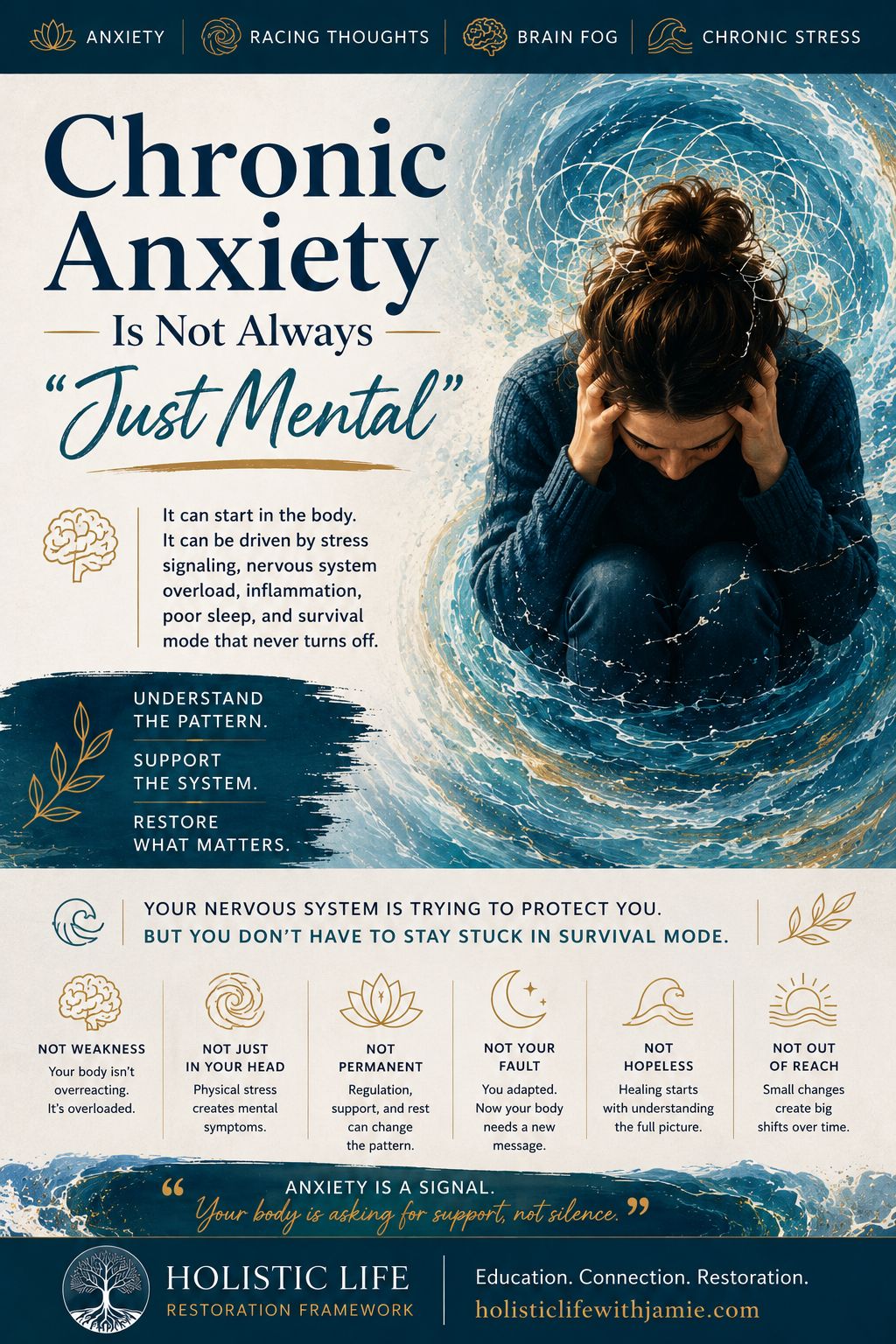
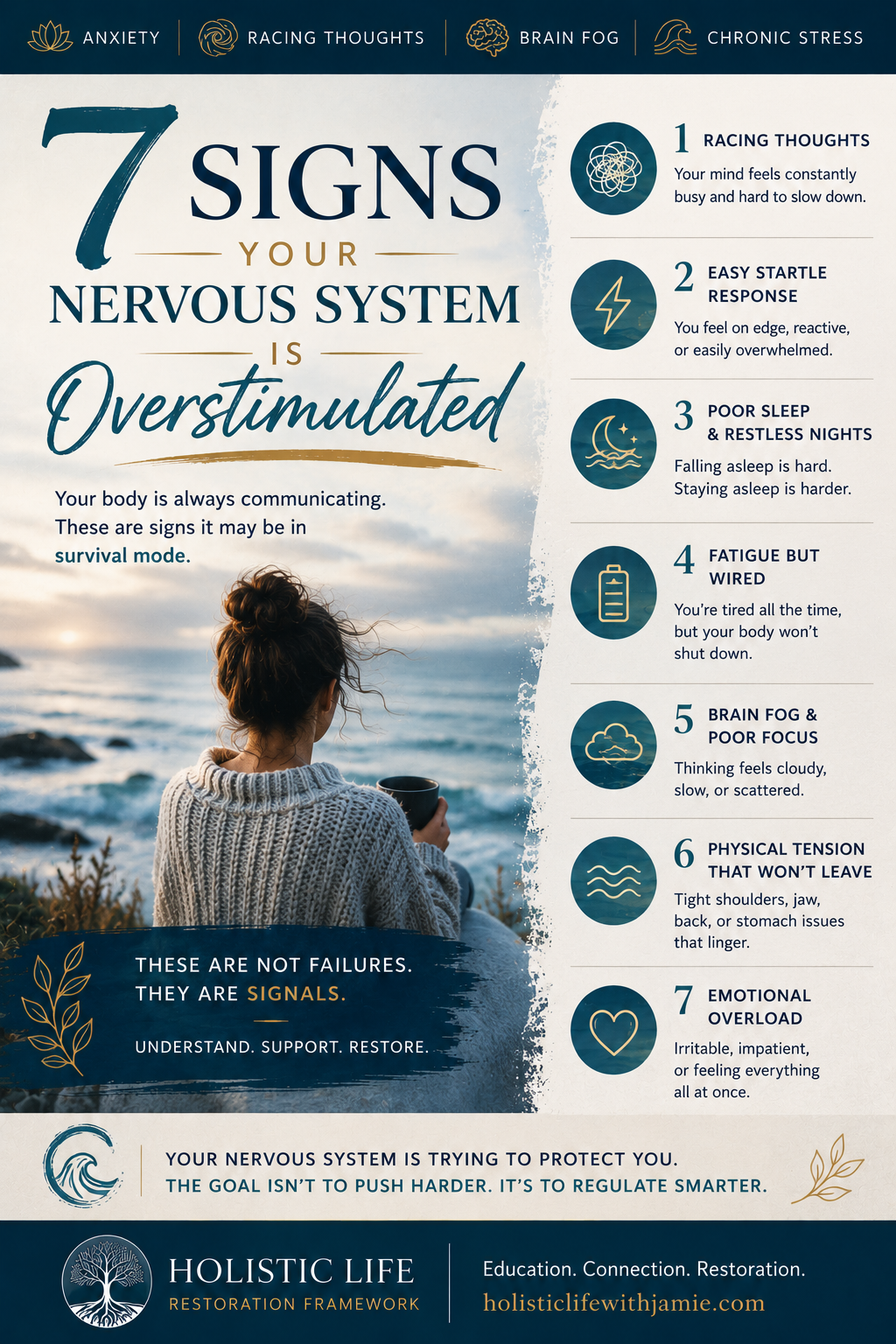
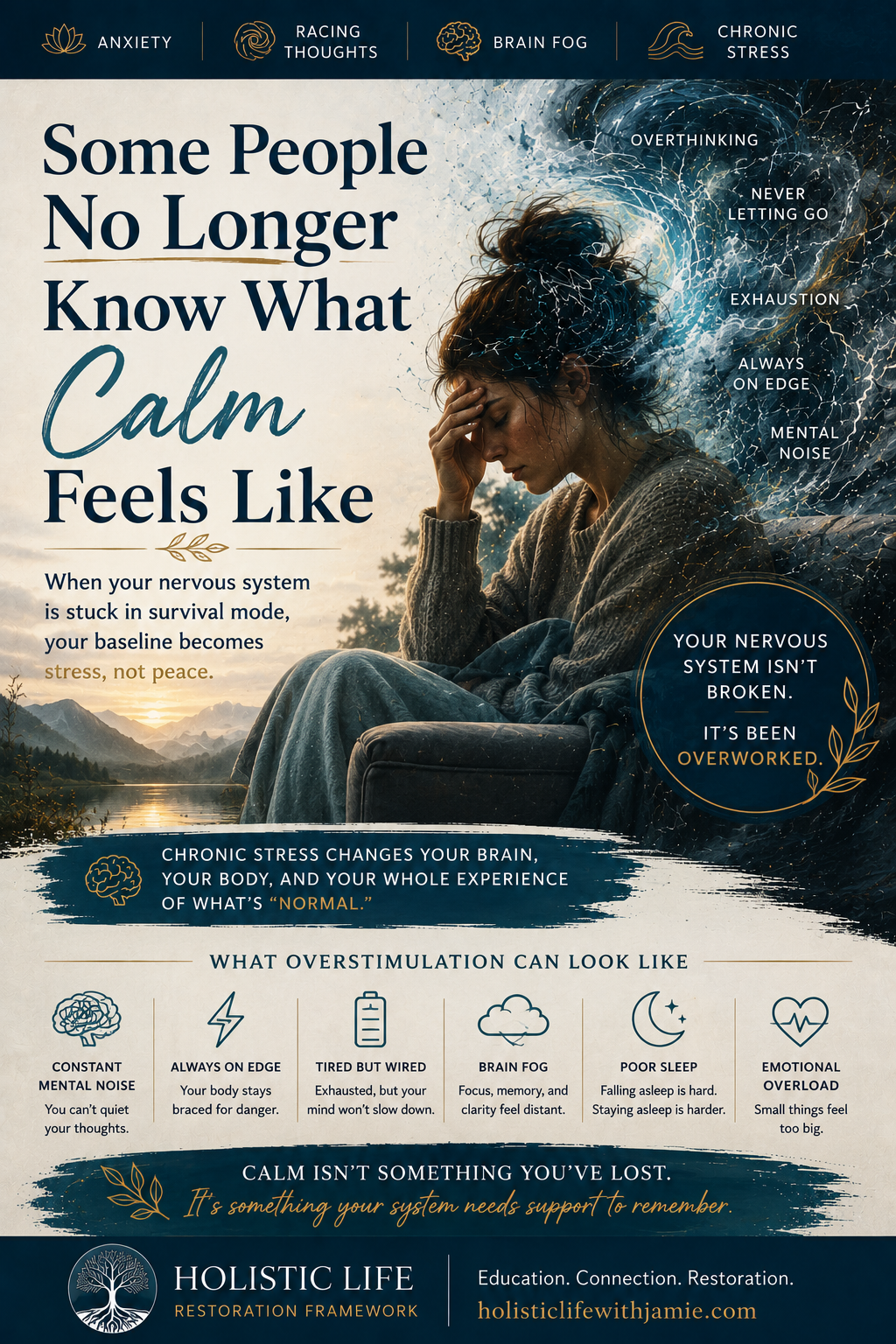
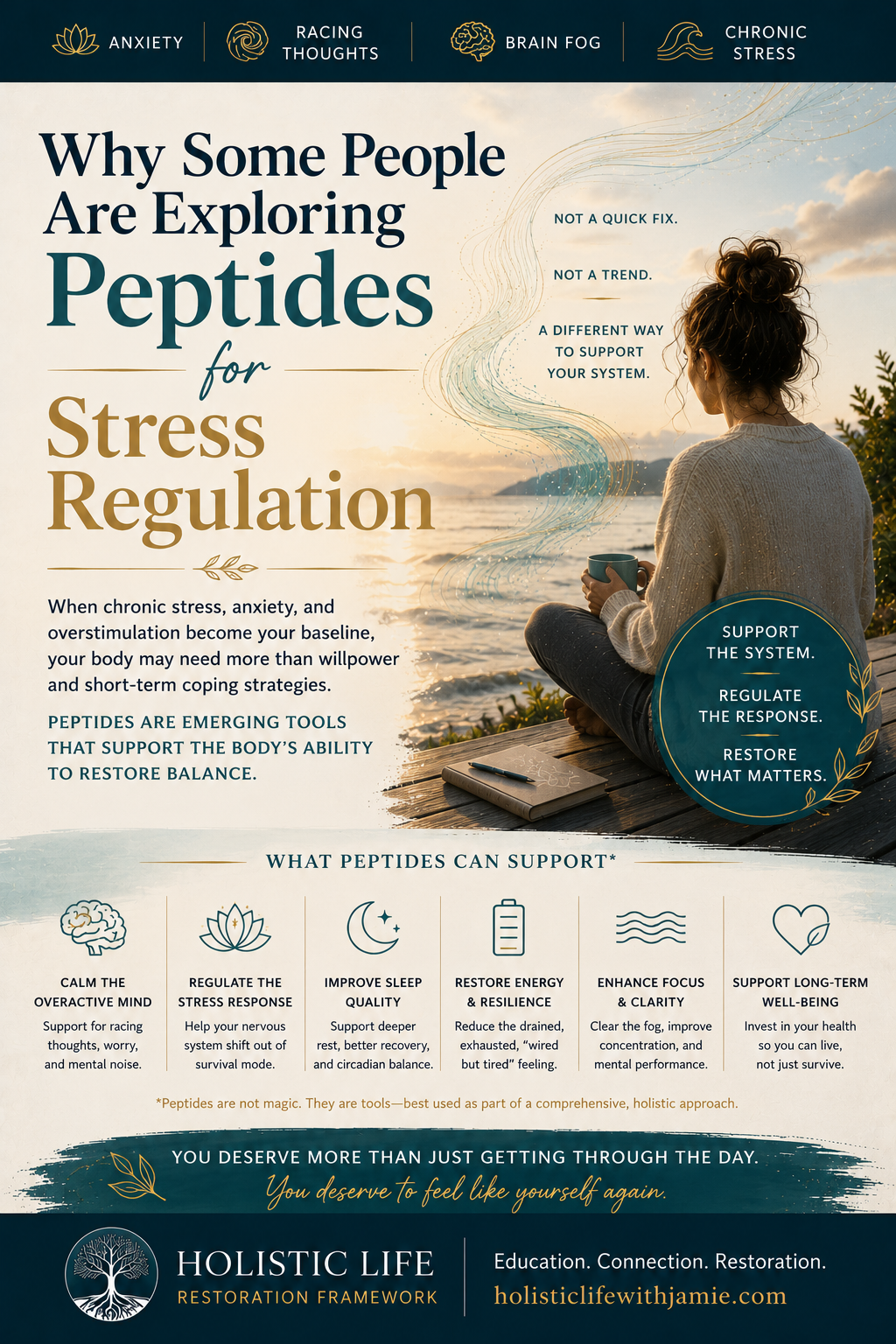
Chronic anxiety, racing thoughts, burnout, brain fog, and nervous system overload are becoming increasingly common in modern life. This article explores why so many people feel mentally “stuck on,” how prolonged stress may affect nervous system signaling over time, and why growing interest has emerged around peptides like Selank that are being researched for stress adaptation, cognitive function, and nervous system regulation.
What Is Selank Peptide?
Selank is a synthetic signaling peptide being researched for its potential influence on stress adaptation, emotional regulation, cognitive function, and nervous system communication. Interest in Selank has grown among people struggling with chronic anxiety, racing thoughts, mental overload, and difficulty fully relaxing despite exhaustion.
Unlike stimulants that attempt to force alertness higher, or sedatives that suppress activity entirely, Selank is being explored for how it may influence communication pathways involved in nervous system regulation.
That distinction matters.
Because many people dealing with chronic anxiety are no longer looking for another temporary “push.”
They are looking for regulation.
For many people, the nervous system no longer feels flexible.
It feels stuck.
Stuck in scanning. Stuck in anticipation. Stuck in hyper-alertness. Stuck in survival mode.
And this is where conversations around signaling pathways have started expanding rapidly in both longevity and peptide communities.
The body communicates constantly.
Hormones signal. Neurotransmitters signal. Inflammation signals. The nervous system signals.
And when those communication systems remain strained for long periods of time, many people begin noticing symptoms long before they understand the deeper patterns underneath them.
This is also why articles like Best Peptides for Brain Function: How Peptides Support Brain Health and Cognitive Performance matter in this conversation.
Peptides are fundamentally signaling molecules.
And many people are beginning to wonder whether chronic anxiety is sometimes less about “weakness” and more about dysregulated signaling occurring under prolonged stress.
This is also why articles like Best Peptides for Brain Function: How Peptides Support Brain Health and Cognitive Performance matter in this conversation because peptides are fundamentally signaling molecules being researched for how they may influence communication pathways throughout the body.
Why Do Some People Feel Stuck in an Anxious State?
Many people feel stuck in an anxious state because the nervous system may remain under prolonged stress signaling for so long that hyper-alertness starts becoming the body’s new baseline. Over time, this can affect sleep, emotional regulation, cognitive clarity, physical tension, and the ability to fully relax.
For some people, anxiety no longer feels like occasional fear.
It feels constant.
The body remains braced. The mind keeps scanning. Relaxation feels temporary. Quiet feels uncomfortable.
What most people think: Anxiety is simply excessive worrying.
What’s actually happening: For many people, the body may be adapting to prolonged stress exposure and remaining stuck in defensive signaling patterns.
This is one reason so many people say things like:
“I can never fully relax.” “I feel tense all the time.” “My brain never shuts off.” “I’m exhausted but still anxious.”
The nervous system was designed to help humans survive short-term danger.
But modern life often creates chronic low-grade activation without enough recovery.
Financial pressure. Information overload. Poor sleep. Constant stimulation. Environmental stressors. Social pressure. Work overload.
Eventually, the body may stop distinguishing between temporary stress and normal life.
That is why so many people no longer feel calm at baseline.
They feel activated at baseline.
This is also deeply connected to conversations around brain fog and signaling patterns throughout the body, because chronic stress signaling often affects mental clarity, focus, and emotional resilience at the same time.
This is also deeply connected to conversations around brain fog and signaling patterns throughout the body, because chronic stress signaling often affects mental clarity, focus, emotional resilience, and cognitive recovery at the same time.
Can Chronic Stress Change How the Nervous System Functions?
Chronic stress may influence nervous system function by keeping the body in prolonged sympathetic activation, often referred to as “fight or flight” mode. Over time, this may affect sleep quality, emotional regulation, inflammation, digestion, cognitive function, and the ability to fully recover.
The nervous system is not separate from the rest of the body.
It influences:
sleep inflammation digestion hormones heart rate energy regulation focus immune function stress resilience
And when stress signaling remains elevated for long periods of time, communication between systems can become strained.
This is why chronic anxiety often becomes physical.
Muscle tension. Digestive issues. Poor sleep. Jaw clenching. Fatigue. Heart palpitations. Racing thoughts.
The body begins behaving as if danger is constantly nearby.
This is also why nervous system regulation matters so much in recovery conversations.
I discussed this more deeply in Why the Body Can’t Heal Without Nervous System Regulation.
The body does not heal efficiently in constant survival mode.
I talked more about this in Why the Body Can’t Heal Without Nervous System Regulation, because many people underestimate how deeply prolonged stress signaling can affect healing, recovery, sleep, inflammation, and nervous system flexibility over time.
And many people are unknowingly living in survival mode all day long.
Why Do Racing Thoughts and Overthinking Become So Hard to Shut Off?
Racing thoughts and chronic overthinking may become difficult to shut off when the nervous system remains in prolonged hyper-alertness. Stress signaling, poor sleep, overstimulation, inflammation, emotional strain, and constant mental input may all contribute to a brain that struggles to fully “downshift.”
Many people are consuming more stimulation in a single day than previous generations likely experienced in weeks.
Phones. Notifications. Financial stress. Social media. Constant information. Work demands. Noise. Blue light. Emotional overload.
The brain never fully powers down.
And eventually people stop feeling mentally rested.
What most people think: They simply “think too much.”
What’s actually happening: The nervous system may be adapting to chronic stimulation by remaining in a prolonged scanning state.
This is one reason some people feel anxious even when nothing specifically “bad” is happening.
The body itself has become accustomed to activation.
This is also why Vagus nerve conversations have become increasingly important in nervous system regulation discussions.
The Vagus nerve plays a major role in parasympathetic activity, which helps the body shift toward rest, digestion, and recovery states.
I discussed this further in Vagus Nerve Symptoms of Dysfunction and How to Relax and Reset It.
This is also why vVagus nerve discussions have become increasingly important in conversations around stress regulation and nervous system recovery. I discussed this more deeply in Vagus Nerve Symptoms of Dysfunction and How to Relax and Reset It.
Why Does Chronic Anxiety Feel Physical for So Many People?
Chronic anxiety often feels physical because stress signaling affects far more than emotions alone. The nervous system influences muscle tension, digestion, inflammation, sleep, hormone signaling, heart rate, breathing patterns, and energy production throughout the body.
Many people initially expect anxiety to feel purely mental.
But over time, the body often starts signaling physically.
Chest tightness. Digestive discomfort. Shallow breathing. Muscle tension. Jaw clenching. Sleep disruption. Fatigue. Brain fog.
The body keeps score of prolonged stress exposure.
And eventually the nervous system may begin operating as though the environment itself is unsafe.
This is one reason some people become frustrated when basic anxiety advice does not seem sufficient anymore.
Because for many people, the issue is no longer occasional emotional stress.
The issue may involve chronic nervous system strain occurring across multiple body systems simultaneously.
What Most People Get Wrong About Anxiety and Stress
Many people approach anxiety and stress as isolated emotional problems when they may actually involve broader signaling patterns affecting the nervous system, sleep, inflammation, metabolism, cognition, and recovery. Chronic stress rarely stays confined to “mental health” alone.
This is where people often become trapped.
They start chasing isolated symptoms.
One supplement. One diagnosis. One quick fix. One temporary coping strategy.
But the body operates through relationships.
Poor sleep affects stress resilience. Stress affects inflammation. Inflammation affects cognition. Cognition affects emotional regulation. Emotional strain affects sleep.
Everything connects.
This is one reason I consistently emphasize systems thinking inside the Structure, Circulation & Nervous System Flow pillar.
Because symptoms often overlap long before people realize why.
This is one reason I consistently emphasize systems thinking inside the Structure, Circulation & Nervous System Flow pillar, because symptoms often overlap long before people realize how connected these systems truly are.
How Is Selank Different From Stimulants or Sedatives?
Selank differs from stimulants and sedatives because it is being researched as a signaling peptide rather than a compound designed purely to increase alertness or suppress activity. Interest in Selank often centers around regulation, stress adaptation, and nervous system communication.
Many people struggling with chronic anxiety are caught between two extremes.
Overstimulation. Or emotional shutdown.
Stimulants may temporarily increase focus while also increasing activation.
Sedatives may temporarily suppress symptoms without necessarily improving nervous system flexibility.
Selank conversations are different.
People are increasingly interested in whether signaling peptides may help support regulation rather than simply pushing the nervous system harder in one direction.
That does not mean Selank is a miracle cure.
And it does not mean people should avoid appropriate medical care.
But it does help explain why interest around peptides like Selank has expanded rapidly among people experiencing:
chronic anxiety mental overload racing thoughts poor stress resilience burnout cognitive fatigue
Why Are Some People Exploring Selank for Chronic Anxiety and Stress?
Some people are exploring Selank because it is being researched for how it may influence stress adaptation pathways, emotional regulation, cognitive signaling, and nervous system communication. Interest often comes from individuals struggling with chronic overstimulation, mental fatigue, and difficulty fully calming down.
People are exhausted.
Not just physically.
Mentally. Emotionally. Neurologically.
And many are beginning to suspect that the modern environment is placing the nervous system under a level of continuous pressure that the body struggles to regulate efficiently long term.
This has created growing interest in compounds being studied for how they may support signaling and adaptation instead of simply forcing stimulation or suppression.
Selank is one of those compounds.
If you would like to purchase from a reliable source:
As always, people should research carefully, move responsibly, and understand that peptides are still an evolving area of study.
Can the Nervous System Learn to Feel Safe Again?
The nervous system is adaptable and may improve when chronic stress load decreases and recovery-supportive habits become more consistent. Sleep, nervous system regulation, reduced overstimulation, stable nutrition, movement, stress reduction, and improved recovery patterns may all help support healthier signaling over time.
Many people feel hopeless because anxiety has lasted so long.
But the nervous system is dynamic.
The body adapts.
And adaptation works in both directions.
The same nervous system that learned chronic activation may also begin learning safety and recovery again when conditions improve consistently over time.
This does not usually happen overnight.
And it rarely comes from one isolated intervention.
Recovery often involves reducing overall stress load while improving the body’s ability to regulate and recover.
How Do You Start Supporting an Overstimulated Nervous System?
Supporting an overstimulated nervous system often begins with reducing overall stress load and improving recovery conditions. Sleep consistency, nervous system regulation, stable meals, hydration, movement, reduced stimulation, and supportive recovery practices may all help improve resilience over time.
Most people do not need more overwhelm.
They need orientation.
Start by identifying what is constantly keeping the body activated.
Poor sleep. Constant stimulation. Blood sugar crashes. Excess caffeine. Chronic emotional stress. Information overload. Lack of recovery.
Then simplify.
Because healing rarely happens in chaos.
And many people benefit more from reducing nervous system noise than endlessly chasing new “hacks.
Go Deeper Inside Restoration Framework
If chronic anxiety, racing thoughts, brain fog, and exhaustion are starting to feel less random after reading this, that matters.
Because the goal is not to collect more disconnected tips.
The goal is to understand the pattern.
Inside Restoration Framework, we go deeper into how nervous system strain, stress signaling, inflammation, sleep disruption, cellular energy, and peptide research fit together so you can stop guessing and start thinking through your body’s signals with more clarity.
If your body feels stuck in “on” mode, Restoration Framework helps you begin seeing what may be keeping it there and what systems need support first.
The article continues below for Restoration Framework members, with deeper education on how this system works and how to think through next steps responsibly.
Restoration Framework
The article continues below for Restoration Framework members, with deeper education on how Selank is commonly used, how people think through peptide implementation strategies, and how nervous system recovery often requires layered support rather than isolated interventions.