Best Peptides for Brain Function: How Peptides Support Brain Health and Cognitive Performance
Peptides such as Semax, Dihexa, and BPC-157 are often discussed in neurological research because of their influence on cellular signaling. Learn how peptide signaling affects brain communication, cognitive performance, and why these compounds keep appearing in brain health discussions.
Brain fog isn’t always a motivation problem.
Sometimes the signal inside the brain gets weak.
Inflammation, chronic stress, poor sleep, and metabolic dysfunction can disrupt the chemical messages neurons use to communicate.
When those signals weaken, memory slips. Focus drops. Thinking slows.
Researchers have become increasingly interested in peptides because they may influence how those signals are restored or strengthened.
And a few peptides keep coming up in that conversation.
In this article we’ll look at:
• how peptides influence brain signaling
• the peptides most often discussed for cognitive function
• whether peptides may help brain fog and memory problems
• what to understand before exploring them
FAQ
What peptides improve brain function?
Researchers often discuss peptides such as Semax, Dihexa, and BPC-157 when exploring compounds that may influence neurological signaling. These peptides are studied because they appear to interact with pathways related to neuroplasticity, inflammation regulation, and cellular repair. By influencing these systems, they may affect how neurons communicate, which can play a role in focus, memory, and cognitive resilience.
What peptides are used to repair the brain?
Peptides sometimes discussed in research on neurological repair include Semax, Dihexa, and BPC-157. These compounds are being studied for their potential influence on neuronal growth factors, synaptic signaling, and inflammation pathways. Because brain repair depends heavily on cellular communication and neuroplasticity, researchers are interested in compounds that may affect these regulatory systems.
Can peptides help brain fog?
Brain fog is often associated with inflammation, metabolic dysfunction, poor sleep, or chronic stress. Some peptides are being studied because they appear to interact with signaling pathways involved in neuronal repair and inflammatory regulation. While research is still developing, scientists are exploring whether these mechanisms may influence cognitive clarity and mental fatigue.
Is BPC-157 good for brain health?
BPC-157 is widely known for its association with tissue repair signaling and inflammation regulation. Because inflammation can affect neurological function, researchers have explored whether BPC-157 may influence brain systems as well. However, much of the current evidence comes from early experimental studies and animal research, and more research is needed to understand its potential effects on human brain health.
A deeper explanation of this compound can be found in BPC-157 Peptide: What It Is, What It Does, and Why It Comes Up in Serious Healing Conversations
Table of Contents
- What Are Peptides and How Do They Affect Brain Function?
- Why Brain Signaling Breaks Down
- What Are the Best Peptides for Brain Function?
What Are Peptides and How Do They Affect Brain Function?
Peptides are short chains of amino acids that act as signaling molecules in the body.
Instead of forcing reactions the way many drugs do, peptides often influence how cells communicate with one another.
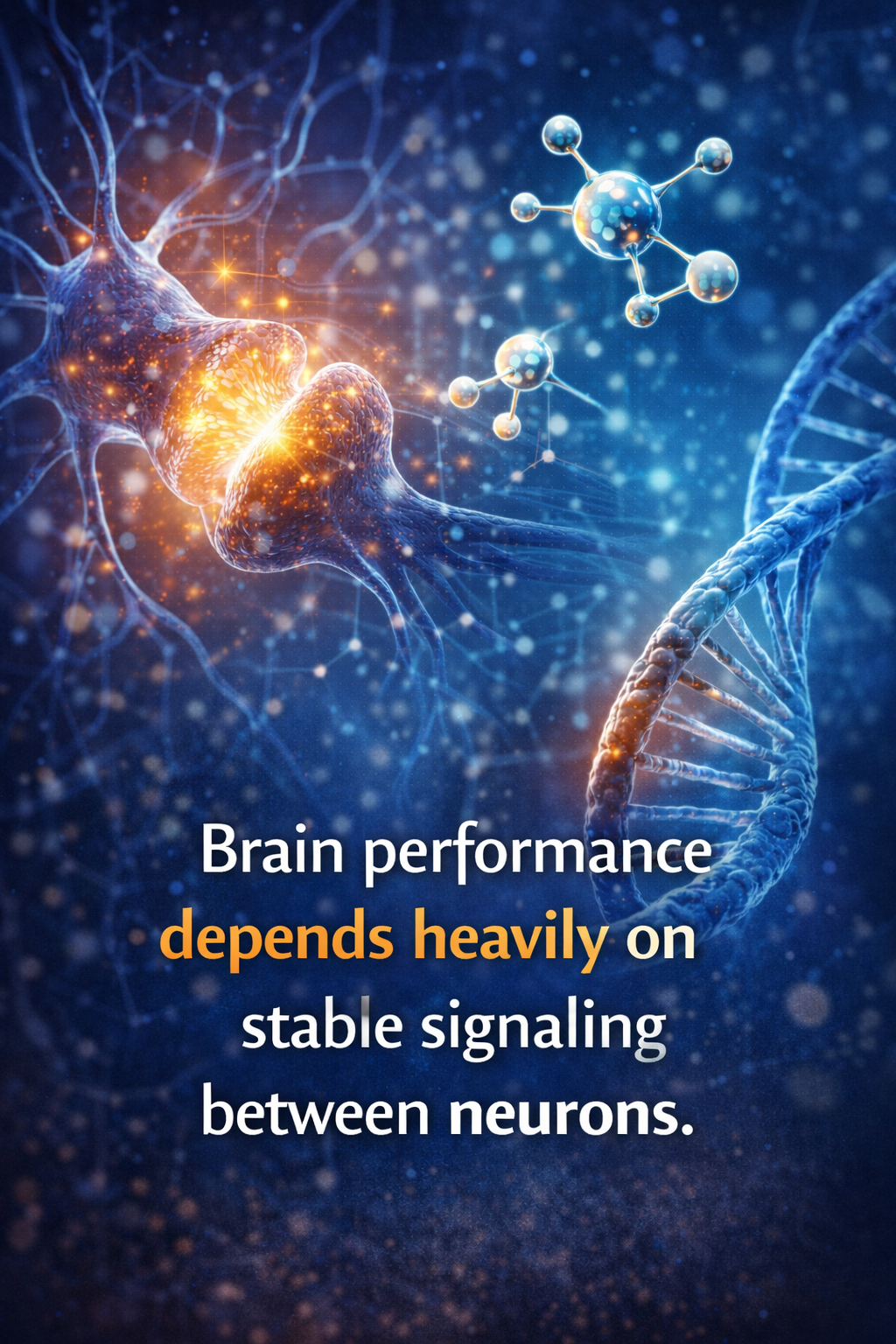
In the brain, communication between neurons depends on a complex network of electrical signals, neurotransmitters, and regulatory molecules.
When these signaling systems function well, the brain can maintain:
• focus
• memory formation
• learning
• emotional stability
Researchers have become interested in certain peptides because they appear to interact with pathways related to neuroplasticity, inflammation regulation, and cellular repair.
The idea that health depends on stable signaling between cells is explored more deeply in Brain & Nervous System Bioregulators: How Regulatory Signaling Supports Brain Health, where the role of regulatory peptides and bioregulators in neurological communication is explained in greater detail.
Why Brain Signaling Breaks Down
Cognitive problems rarely appear for a single reason.
More often, they reflect a breakdown in the systems that regulate cellular communication.
Several factors can disrupt brain signaling:
• chronic inflammation
• metabolic instability
• prolonged stress hormones
• poor sleep
• aging-related cellular changes
When these systems fall out of balance, neurons may struggle to communicate efficiently.
Hormonal stress signaling can play a major role in this process.
This system is explained further in Adrenal & Stress-Response Bioregulators: How the Body Regulates Stress.
What Are the Best Peptides for Brain Function?
Several peptides have attracted attention in discussions about cognitive performance and neurological resilience.
Each appears to influence brain signaling through different mechanisms.
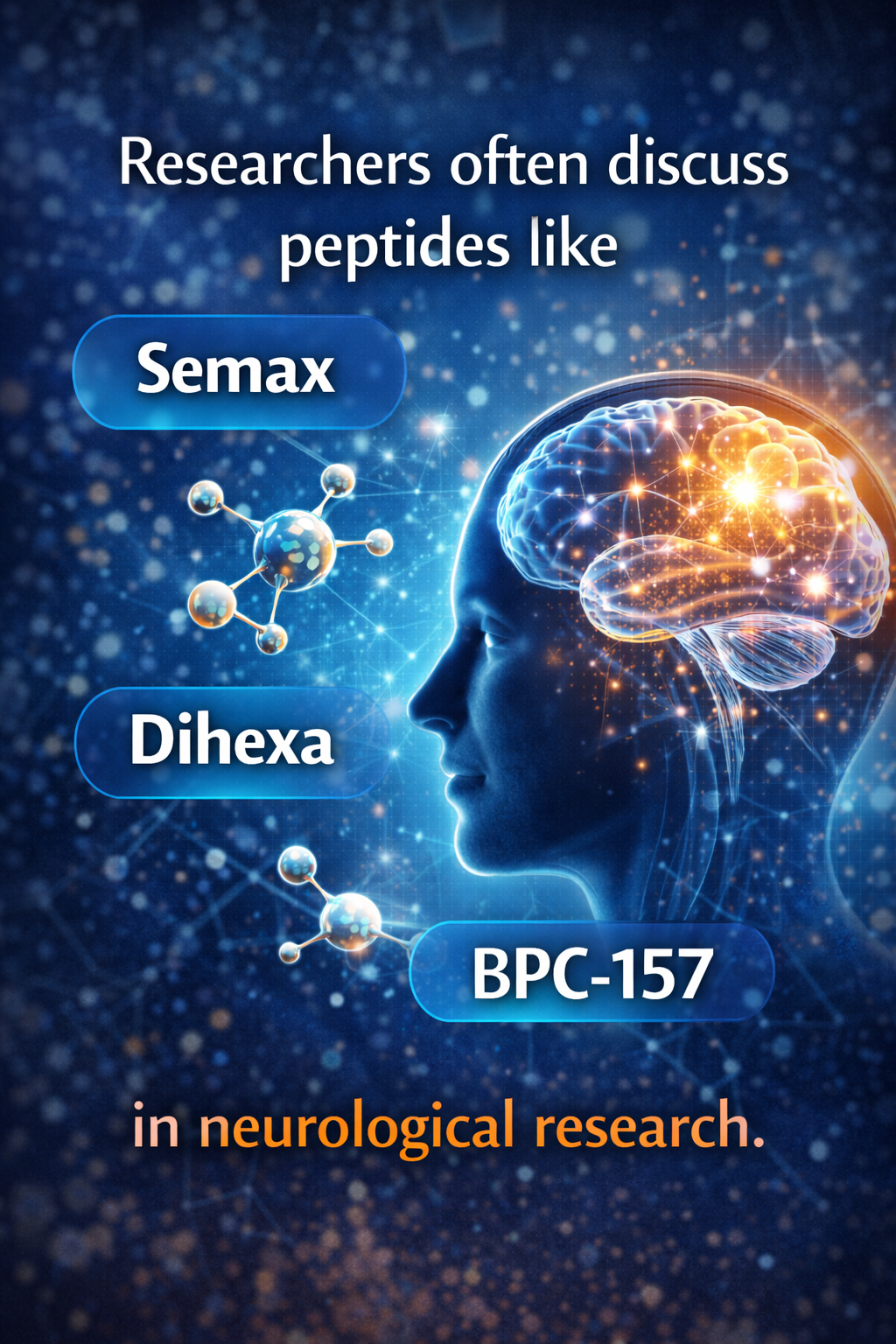
Peptides commonly discussed in brain health research include:
• Semax
• Dihexa
• BPC-157
These compounds are often explored because they may interact with cellular pathways involved in repair, adaptation, and neuroplasticity.

The article continues below for Health Foundations members, with deeper education on how peptide signaling works in the brain and how to think through next steps responsibly.
How Peptide Signaling Influences Brain Communication
The brain relies on more than neurotransmitters.
It depends on a network of signaling molecules that regulate how neurons grow, repair themselves, and form connections.
Peptides influence this communication system in several ways.