Why Your Bloating, IBS, and Gut Symptoms Keep Coming Back
Why your bloating, IBS, and gut symptoms keep coming back, plus the most common patterns behind recurrence and what to stabilize first.
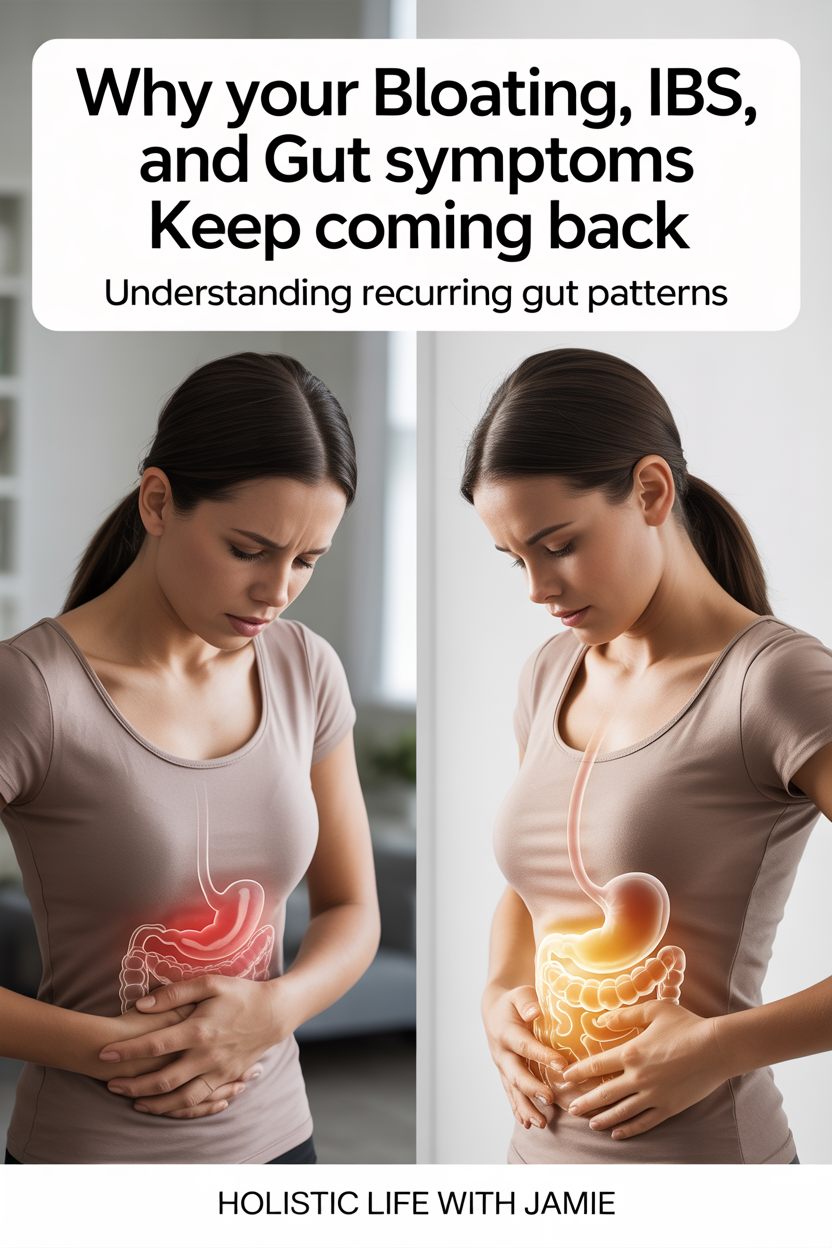
You cleaned up your diet.
You removed gluten.
Cut sugar.
Tried probiotics.
Maybe even went Carnivore for a couple of weeks to remove triggers.
And for a while, your bloating improved. Your IBS settled down. Your digestion felt more stable.
Then the gas came back.
The discomfort returned.
The flare-up hit again.
If you have been wondering why your bloating keeps coming back, why IBS symptoms return, or why gut problems never seem fully resolved, you are not imagining it.
Recurrent gut symptoms are common. And they are rarely random.
When bloating, IBS, or other digestive symptoms keep coming back, it usually means the gut never stabilized in the first place.
It held temporarily.
But it could not hold the line.
Frequently Asked Questions About Recurrent Gut Symptoms
Why does my IBS improve and then flare again?
Because symptom control and system stabilization are not the same. Triggers may be reduced temporarily, but underlying signaling patterns may still be unstable.
Can bloating come back even if I removed trigger foods
Yes. Removing triggers reduces stress on the gut, but it does not automatically restore stomach acid, bile flow, motility, or barrier repair. Without structural repair, bloating often cycles.
What causes recurrent gut symptoms
Recurrent gut symptoms usually indicate dysregulation. That may involve stress hormones, immune activation, intestinal permeability, microbial imbalance, or hormonal disruption.
Does leaky gut cause symptoms to return
Compromised gut barrier function can increase immune reactivity and inflammation, making symptoms more likely to flare when stress or dietary shifts occur.
The Real Reason Symptoms Return
Most gut protocols focus on removal.
Remove foods.
Remove sugar.
Remove pathogens.
Remove inflammation triggers.
Removal can quiet symptoms.
But removal alone does not restore coordination.
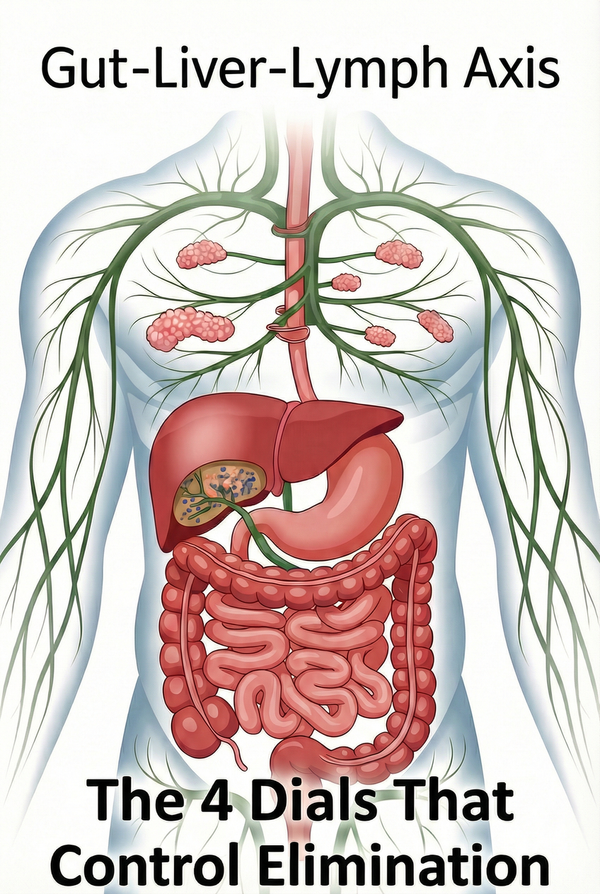
The gut is not just a tube that reacts to food. It is a highly regulated system involving:
- Nervous system signaling
- Hormonal rhythms
- Motility patterns
- Digestive enzyme output
- Bile flow
- Immune surveillance
If those systems are unstable, symptoms tend to return the moment stress rises, travel happens, hormones shift, or diet loosens.
If you are not sure whether your barrier integrity is part of the issue, review Leaky Gut 101: How to Tell If Yours Is Leaking.
If inflammation markers are still simmering, you may want to revisit Is Your Gut Actually Inflamed? 7 Sneaky Clues.
It Is Not About Willpower
Recurrent symptoms are often blamed on “falling off the diet.”
That framing is too simple.
The gut responds strongly to stress signaling. Cortisol shifts motility, secretion, and sensitivity. A nervous system that stays in a sympathetic state can impair digestion even when the food is technically clean.
If this is new territory, read Stress and Cortisol: Your Gut’s Worst Frenemy.
Hormones also shape gut function. Estrogen and progesterone influence motility and microbial balance. Synthetic hormones can shift this terrain further.
You can explore that connection in Birth Control, Hormones, and the Gut Fallout.
When these inputs are unstable, dietary perfection alone does not create stability.
The Three Patterns Behind Recurrence
1. Incomplete Restoration
Symptoms calm, but motility remains sluggish.
Bloating decreases, but bowel movements are still inconsistent.
Food tolerance improves, but stress still triggers flares.
That is partial improvement, not full restoration.
2. Nervous System Instability
Many people with IBS have heightened visceral sensitivity. The gut becomes reactive. Even normal gas production feels exaggerated.
If the nervous system does not regain resilience, symptoms cycle.
3. Metabolic Instability
Blood sugar fluctuations influence inflammation, motility, and microbial behavior. Late night sugar cravings and erratic meal timing can quietly destabilize progress.
Temporary diets cannot override long term signaling patterns.

When “Healing” Is Only Temporary
Quick improvements often come from:
- Removing fermentable triggers
- Lowering inflammatory load
- Short term carbohydrate restriction
- Eliminating common irritants
These are useful tools.
But if the foundation is not rebuilt, the system returns to its previous pattern under pressure.
That is usually when people say, “My gut was better for a while, then everything came back.”
It did not come out of nowhere. It reverted to its baseline regulation.
What to Do Next
If this is resonating, the next step is not another elimination round.
It is rebuilding coordination.
Inside Health Foundations, we walk through how to:
- Assess baseline motility patterns
- Evaluate nervous system tone
- Identify metabolic contributors
- Reintroduce foods without triggering fear cycles
- Build stability instead of chasing restriction
Free education explains the pattern.
Health Foundations shows you how to work through it.
Health Foundations Section
Rebuilding Gut Stability Instead of Chasing Triggers
This is where we shift from theory to application.
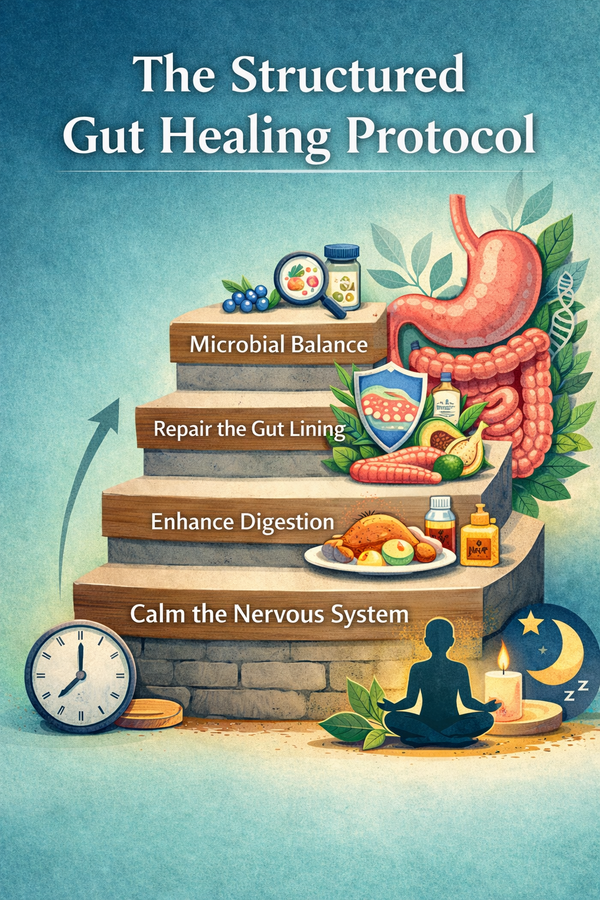
If symptoms keep returning, we approach the gut in three layers:
Layer 1: Mechanical Function
Ask: