Mitochondrial Uncoupling: What It Is and Why It’s Trending
Mitochondrial uncoupling sounds technical, but it is your body’s built-in way of burning extra fuel as heat instead of fat. This mild “energy leak” reduces oxidative stress, supports weight loss, and may even slow aging. Learn natural ways to trigger it safely and boost resilience.
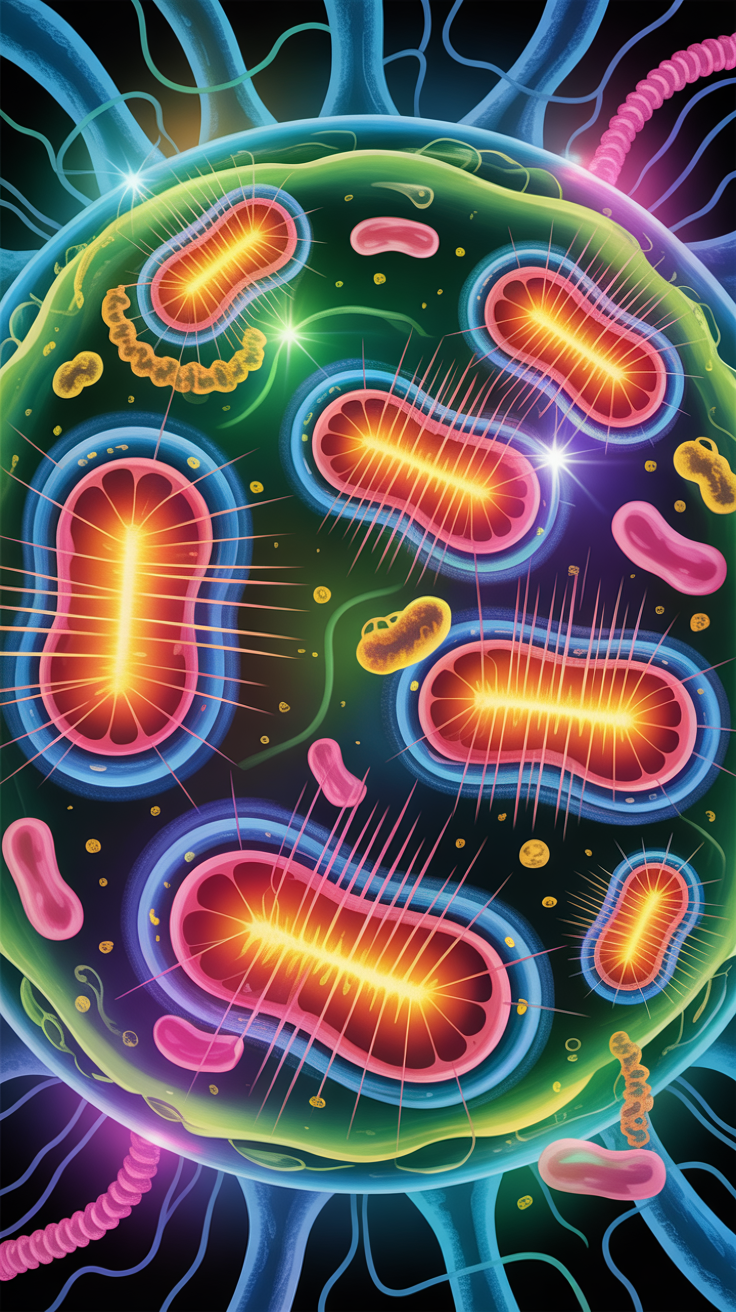
How your cells waste fuel on purpose to boost energy and slow aging.
What if I told you your body has a built-in energy leak and it is actually good for you? Sometimes your mitochondria throw the rulebook out the window. Instead of storing every calorie as fuel (a.k.a. fat), they waste energy on purpose, releasing it as heat. It sounds inefficient, but this tiny rebellion inside your cells may be the secret to burning fat, boosting energy, and even slowing down aging.
🔥 What Is Mitochondrial Uncoupling?
Your mitochondria are supposed to take food and oxygen and turn them into ATP, your body’s energy currency. Normally they are like little accountants, making sure every unit of fuel gets stored as usable energy.
But sometimes they “uncouple.” Instead of turning every bit of food into ATP, they let some of the energy leak out as heat.
Think of it like a fireplace that gives off heat while also letting some warmth escape through the chimney. On paper, it looks “wasteful.” In reality, it keeps the fire under control and the room more comfortable.
⚡ Why It Matters
Mild mitochondrial uncoupling does a lot of good things for your body:
- Burns more calories at rest. A built-in metabolism boost without extra effort.
- Reduces oxidative stress. Less “wear and tear” from free radicals.
- Protects against aging and disease. Studies in animals show that mild uncoupling helps cells stay resilient.
- Keeps your metabolism flexible. Like a workout for your mitochondria, teaching them to adapt and perform better.
📈 Why It’s Trending
Anti-aging experts, biohackers, and fitness pros are buzzing about uncoupling because it sits at the intersection of:
- Longevity research
- Metabolic health
- Weight management
- Cellular resilience
In other words, it is one of those nerdy science terms that suddenly has lifestyle influencers talking.
🌱 Natural Ways to Support Healthy Uncoupling
You do not need a lab or a supplement stack from Silicon Valley to get the benefits. Your body already has tools for this.
- Cold exposure. Think cold showers, ice baths, or just turning down the thermostat. This activates brown fat, which uncouples on purpose to create heat.
- Exercise. Especially high intensity or interval training. Your mitochondria adapt by building flexibility.
- Polyphenols. Found in foods like green tea (EGCG), red wine and grapes (resveratrol), apples and onions (quercetin).
- Spices. Chili peppers (capsaicin) and turmeric (curcumin) both nudge your body toward mild uncoupling.
- Compounds like berberine or spermidine. These plant compounds support mitochondrial stress resilience and overlap with longevity research.
⚖️ The Balance
Here is the important part. Too much uncoupling is dangerous. That is what certain poisons do, and it leads to overheating and energy collapse.
The sweet spot is mild uncoupling created by natural lifestyle practices. Think hormesis: small, controlled stressors that make you stronger.
Final Thought
Sometimes the secret to better energy is letting your mitochondria waste a little. It sounds backward, but mild uncoupling is one of the body’s most powerful anti-aging tricks.
Instead of fighting your biology, learn how to work with it. Support your mitochondria, and they will return the favor with more resilience, better energy, and a healthier you.
You don’t need more opinions. You need results.
And you won’t find them by only managing symptoms.
But you’re here. You’re asking questions. You’re waking up.
Once you realize the power was in your hands all along,
you stop playing small and start building real health
Jamie Shahan, MSN, CRNA, RN
Empowering Holistic Health
🌐 Connect with me on Social Media:
Disclaimer
The information provided on this website, in associated blogs, courses, and materials, is for general educational and informational purposes only. It is not medical advice and should not be interpreted as such.
I am not a medical doctor. The content I share reflects my personal opinions, experiences, and research. It is not intended to diagnose, treat, cure, or prevent any disease, condition, or illness.
You should not rely on the information here as a substitute for professional medical care, advice, or treatment. Always consult with a licensed healthcare provider before making any decisions regarding your health, especially if you are pregnant, nursing, taking prescription medications, or managing a medical condition.
By reading this website or using any related materials, you acknowledge and agree that:
- You are fully responsible for your own health decisions.
- The author and publisher of this content assume no liability for any harm, loss, or adverse effects arising directly or indirectly from the use, misuse, or interpretation of the information provided.
- No guarantees are made regarding the outcomes of applying any ideas, suggestions, or protocols discussed. Results will vary for each individual.
Affiliate Disclosure
Some products or tools mentioned may include affiliate links. This means that if you choose to purchase through those links, I may earn a small commission at no extra cost to you. I only recommend products I have personally used, researched, or would recommend to someone I love.
Use at Your Own Risk
By accessing this website and its materials, you agree that you are doing so voluntarily and that you assume full responsibility for any decisions you make regarding your health, lifestyle, or purchases.