How to Reduce Gut Inflammation Without Wrecking Gut Function
How to reduce gut inflammation without suppressing gut function. Learn gut inflammation symptoms, causes, IBD vs IBS differences, and the sequence to fix gut health using regulation, drainage, barrier repair, and microbiome support.
Most people are trying to get rid of inflammation.
But inflammation is not the problem. It is the signal.
You can calm the fire and still have a gut that does not move, absorb, regulate, or repair properly. That is why so many people reduce gut inflammation and still do not feel well.
If you want to fix gut health long term, you have to understand what inflammation actually represents.
FAQ
How do you get rid of inflammation in the gut?
You reduce gut inflammation by removing irritants, stabilizing blood sugar, improving digestion, supporting the gut lining, and restoring nervous system regulation. Suppression alone does not restore gut function.
What are signs of gut inflammation?
Common gut inflammation symptoms include bloating, cramping, diarrhea, constipation, urgency, fatigue, and food sensitivity.
What does inflammation in your gut feel like?
It can feel like burning, swelling, pressure, unpredictable bowel habits, or pain after eating.
What causes inflammation in the upper intestines?
Upper intestinal inflammation may be driven by stress signaling, poor bile flow, microbiome imbalance, food triggers, medications, or barrier damage.
Is swelling in the intestine dangerous?
Persistent intestinal swelling can impair absorption and digestion. In conditions like inflammatory bowel disease, tissue damage requires medical supervision.
What supplements reduce gut inflammation?
Zinc carnosine, L-glutamine, spore-based probiotics, omega-3s, and targeted gut health supplements can help when used in a structured plan.
Table of Contents
What Gut Inflammation Actually Means
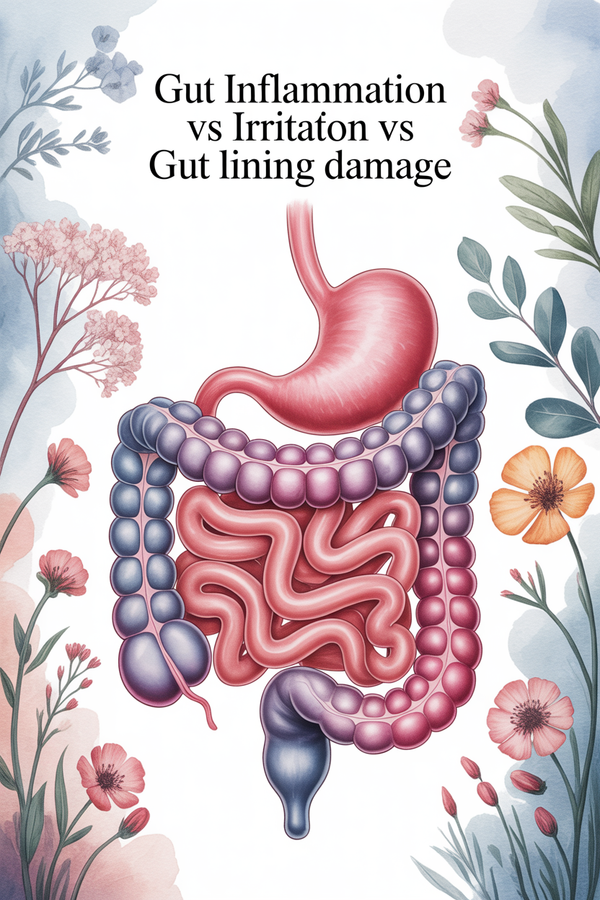
Gut inflammation is immune activation in the lining of the digestive tract.
Acute inflammation is protective. It helps the body respond to injury or infection.
Chronic gut inflammation is different. It is low-grade, ongoing immune activation that interferes with barrier integrity, digestion, and absorption.
Small intestine inflammation symptoms often include bloating after meals, fatigue, nutrient deficiencies, and food sensitivity patterns.
If you are unsure whether what you are experiencing is true inflammation, review Is Your Gut Actually Inflamed? 7 Sneaky Clues.
Inflammation is not random. It is a response to something upstream.
Common Gut Inflammation Symptoms
Gut inflammation symptoms vary by location and severity, but common patterns include:
- Abdominal pain or cramping
- Bloating or visible distention
- Diarrhea or constipation
- Urgency
- Burning or pressure
- Food sensitivity
- Fatigue
When the mucosal barrier is compromised, irritation continues even if the diet looks clean.
This is why Healing the Mucosal Barrier: The Forgotten Layer of Gut Health becomes foundational in gut inflammation treatment.
Symptoms are not always loud. Sometimes they show up as subtle absorption issues, unstable energy, or slow recovery.
Why Lowering Inflammation Is Not the Same as Restoring Function
Most people searching how to reduce gut inflammation try:
- Anti-inflammatory diets
- Elimination plans
- Curcumin
- Fish oil
- Steroids
- Herbal blends
Symptoms may calm.
But digestion requires more than low inflammation.
Motility matters.
Bile flow matters.
Enzyme production matters.
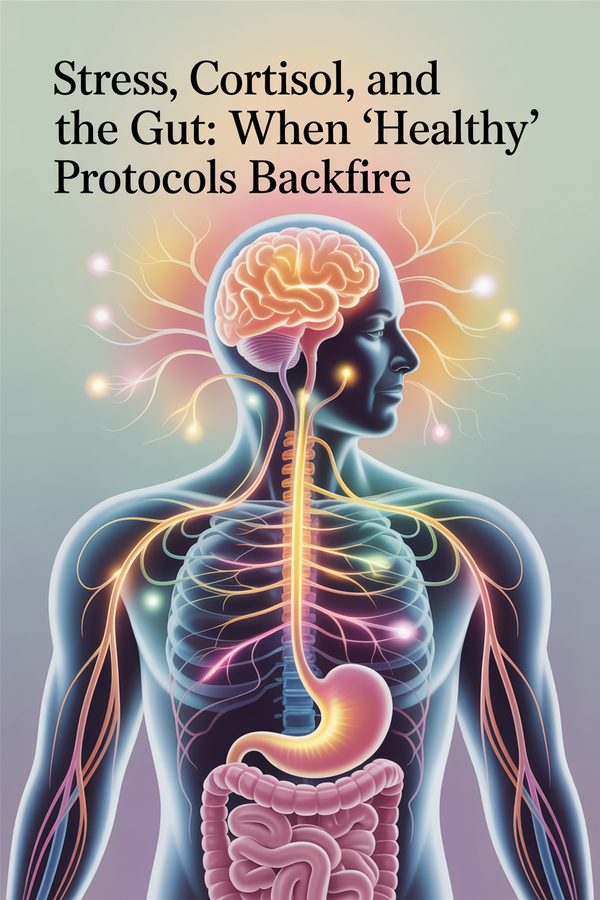
Nervous system tone matters.
If the nervous system is dysregulated, digestive capacity drops. If elimination is sluggish, immune signaling increases. If bile flow is impaired, irritation continues.
Regulation Comes Before Repair.
Lowering inflammation without restoring function is like muting an alarm while the wiring problem remains.
What Causes Gut Inflammation
Gut inflammation causes are rarely singular.
Common drivers include:
- Microbiome imbalance
- Barrier breakdown
- Chronic stress signaling
- Blood sugar instability
- Processed food exposure
- Alcohol
- Medication effects
- Infections
- Poor bile flow
- Sluggish elimination
The gut is structurally linked to the immune system. This is explained more fully in Gut Health and Immunity: How Your Microbiome Controls 70% of Your Defenses
When drainage is compromised and regulation is impaired, inflammation rises.
Reducing inflammation without correcting those drivers rarely fixes gut issues long term.
IBD vs IBS: Why It Matters
Inflammatory bowel disease involves measurable tissue inflammation and structural damage. Crohn’s disease and ulcerative colitis fall into this category.
IBS is classified as functional. Symptoms are real, but visible tissue damage is not typically present on imaging.
Both may involve immune activation.
But treatment for inflammatory bowel disease requires medical supervision. Functional IBS patterns require restoration of regulation, motility, and microbiome balance.
They are not the same conversation.
If you want to move beyond suppressing inflammation and understand how to restore gut function step by step, the deeper framework lives inside Health Foundations.