
Why Your Body Needs Different Herbs Each Season: A Guide to Herbs for Immunity, Detox, and Gut Health
Support your body this winter with herbs that warm, strengthen, and protect. Learn why ginger, thyme, rosemary, elderberry, clove, astragalus, and mullein are essential for digestion, immunity, and lung health. Simple ways to use each herb every day.
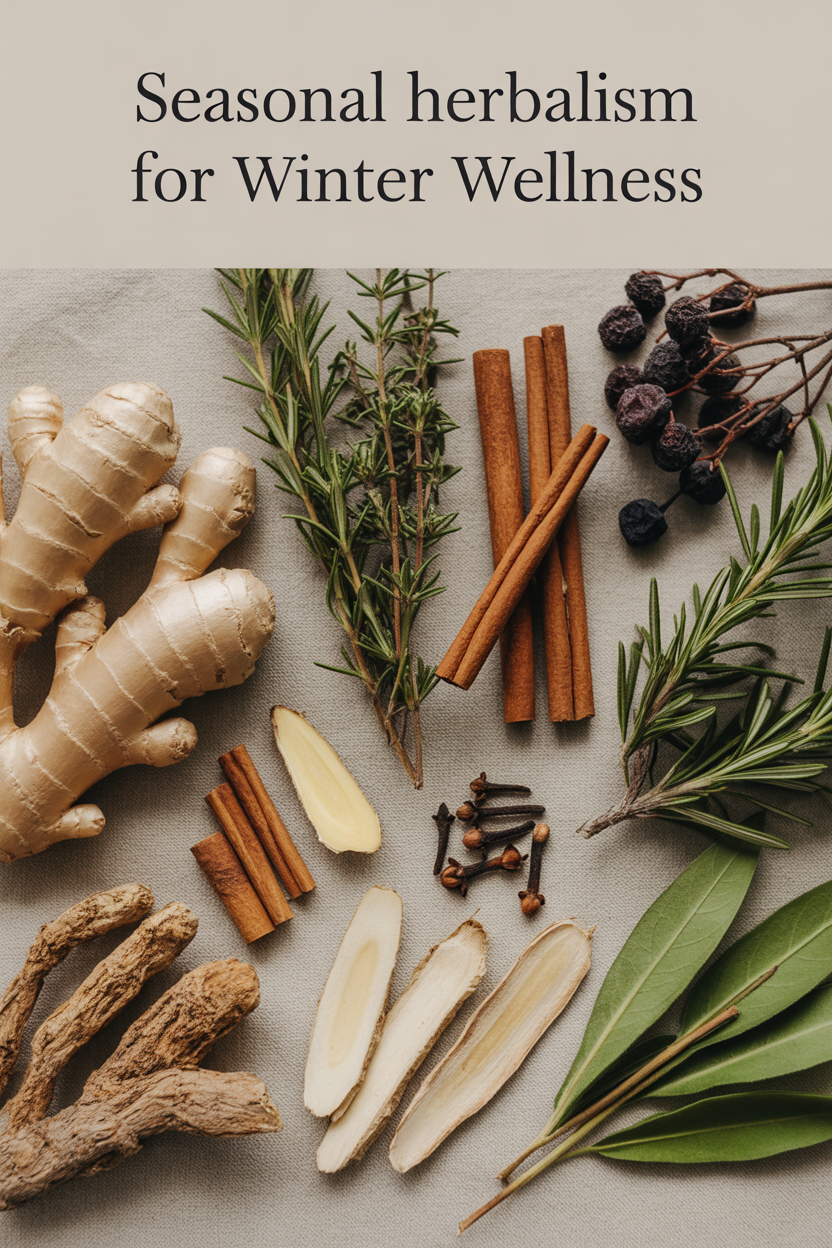
If you have been anywhere near social media lately, you have probably noticed the surge of interest in herbs for gut health, herbs for inflammation, detox herbs, immune supporting herbs, and even herbs used in parasite cleanses. People are waking up. They are questioning why natural healing ever disappeared from everyday life. And the more you look into it, the more obvious the truth becomes.
Long before supplements and pharmaceuticals, God described the leaves of the earth as medicine. Herbs were part of the plan from the beginning.
That realization opens a door. You start to wonder why your body responds so strongly to certain herbs, why some work better during specific times of the year, and why ancient healing traditions always aligned herb use with the seasons. It all comes back to something simple.
Your body changes with the seasons.
Your herbs should too.
Seasonal herbalism is not about gardening cycles or what is growing outside. It is about understanding what your body is experiencing in winter, spring, summer, and fall and choosing herbs that support those internal shifts in the most aligned way. Herbs for immunity, herbs for detox, herbs for liver support, herbs for lymph drainage, and herbs for gut health all interact differently with your physiology depending on the time of year.
And with organic dried herbs and tinctures available year round, you can use any herb whenever it serves you. Seasonal herbalism is not about restriction. It is about matching herbal actions to your God given biology so the herbs you choose actually work with your body instead of against it.
Let’s break this down.
Your Body Changes Every Season
Most people never consider that their body functions differently in each season. Your digestion shifts. Your immune system shifts. Your mitochondria shift. Your nervous system shifts. Your lymphatic flow changes. Even your emotional patterns respond to light, temperature, and environmental stress.
This is not random. This is design.
When the environment changes, your internal terrain tries to adapt. Herbs help you support those changes instead of ignoring them. Here is what your body is actually experiencing throughout the year
Winter: Slow Digestion, Lower Energy, and Immune Stress
Winter is the season when everything in the body naturally slows down. Digestion becomes heavier. Circulation tightens. Your mitochondria burn more fuel just to maintain warmth. Your immune system is challenged daily by viral exposure, and heavy holiday eating creates more inflammation and gut disruption than most people realize. This is the time of year when the body needs warmth, stimulation, immune strengthening, and support for mucus clearance.
Herbs that shine in winter are warming, digestive boosting, antimicrobial, and respiratory supportive. They help your body do what it is already trying to do in this season.
WINTER HERBS
Warming, immune strengthening, circulation boosting, mucus clearing, digestion supporting
- Strong warming herb that stimulates digestion
- Improves sluggish winter metabolism
- Boosts circulation and helps warm cold hands and feet
- Supports mitochondrial output during colder months
- Helps stabilize blood sugar after heavy holiday meals
- Warms and moves stagnant circulation
- Antimicrobial properties support the immune system during viral season
- Powerful antimicrobial and antiviral herb
- Supports lung health during peak respiratory illness months
- Excellent for coughs, chest congestion, and sinus drainage
- Promotes healthy circulation to the brain and body
- Helps with winter brain fog
- Mild antimicrobial action supports the respiratory system
- Gently energizing without overstimulation
- Strengthens immune response
- Helps slow viral replication
- Shortens the duration of seasonal colds and flus
- Ideal for daily winter immune support
- Potent antimicrobial and anti inflammatory herbal ally
- Warms and activates digestion
- Helpful for sore throats, congestion, and oral microbial balance
- Deep immune tonic for long term resilience
- Strengthens lung and immune function
- Best used consistently through the winter for prevention, not during an active fever
- One of the best herbs for clearing mucus from the lungs
- Calms irritated respiratory tissue
- Supports breathing during cold and flu season and after viral exposure
Spring: Detox Pathways Open and Everything Starts Moving
Spring is the season when the body naturally shifts from stagnation to movement. After months of slow digestion and dense winter foods, the liver begins to wake up. The lymphatic system becomes more active. Mucus rises as the body tries to clear what it held onto all winter. Allergies flare as histamine activity increases. Skin may break out. Hormones rebalance. Every part of your biology leans toward cleansing and renewal.
Spring herbs have always been detoxifying because they match what the body is already trying to do. They open pathways, move lymph, support the liver, clear the skin, and help your system transition into lighter, more energetic months.
SPRING HERBS
Cleansing, lymph moving, liver supporting, fluid shifting, hormone balancing
Dandelion Root
- One of the best liver supporting herbs
- Encourages natural detoxification
- Mild diuretic that helps reduce puffiness and water retention
- Supports digestion after a heavy winter season
Burdock Root
- A traditional blood cleansing herb
- Helps reduce inflammation and skin congestion
- Supports lymphatic flow and detox pathways
- Excellent for spring breakouts and sluggish elimination
Milk Thistle
- Protects and regenerates liver cells
- Supports the body as it metabolizes hormones
- Helps clear toxins that accumulated during winter
- Gentle enough for long term seasonal use
Nettle
- Rich in minerals to replenish what winter drains
- Naturally reduces seasonal allergies
- Supports kidneys and lowers inflammation
- Nourishes the whole body as it transitions into spring
Red Clover
- Classic lymphatic cleanser
- Helps move stagnation that causes puffiness, sluggishness, and skin issues
- Supports gentle hormone balance
- Helps the body clear stored waste through the lymph
Cleavers
- One of the strongest lymph moving herbs
- Reduces swelling, congestion, and stagnant fluid
- Supports clear skin by helping toxins move out
- Perfect for spring’s natural detox rhythm
Summer: Heat, Hydration, Nervous System Stress, and Inflammation
Summer is the season when the body is pushed into a different kind of stress. Heat raises inflammation. Hydration becomes harder to maintain. The nervous system is more reactive. Cortisol often stays elevated. Sleep becomes lighter due to long daylight hours. People experience more irritation, headaches, bloating, and anxiety in summer than any other time of year.
Your body needs cooling, calming, hydrating, and nervous system supporting herbs to balance the intensity of summer. These herbs help regulate temperature, support digestion, protect the adrenals, and calm the mind so your system does not burn out.
SUMMER HERBS
Cooling, nervine, hydrating, anti inflammatory, digestive soothing
Peppermint
- Naturally cooling to counter summer heat
- Relieves bloating and sluggish digestion from hot weather
- Eases tension headaches
- Supports the liver as heat increases metabolic stress
Hibiscus
- Hydrating, rich in electrolytes and antioxidants
- Helps regulate blood pressure
- Cools internal inflammation
- Supports cardiovascular health during high heat months
Chamomile
- Calms an overstimulated nervous system
- Relieves summer irritability and anxiousness
- Supports digestion when heat disrupts stomach function
- Helps settle tension, headaches, and sleeplessness
Lemon Balm
- Anti anxiety herb that soothes the stress response
- Helps improve sleep disrupted by long summer days
- Mild antiviral and digestive calming properties
- Excellent for restless, overstimulated states
Holy Basil (Tulsi)
- Adaptogen that helps regulate cortisol
- Reduces inflammation and oxidative stress
- Supports emotional balance during summer overstimulation
- Strengthens resilience during heat and humidity
Marshmallow Root
- Naturally cooling and soothing
- Hydrates mucous membranes and supports digestion
- Helps counter dehydration and irritability
- Excellent for soothing the gut when heat flares inflammation
Fall: Immune Priming, Lung Support, and Grounding the Body
Fall is the transition season when the body prepares for colder weather and increased viral exposure. Respiratory viruses begin circulating. The lungs become more vulnerable. The immune system needs strengthening. Cortisol begins to settle after summer but can leave the body depleted. As daylight decreases, energy shifts, mood shifts, and the nervous system needs grounding.
Fall herbs focus on immune priming, lung strength, warmth, and steadying the body before winter arrives. These herbs help your system stabilize, fortify, and adapt as the seasons shift.
FALL HERBS
Immune strengthening, lung supporting, warming, grounding, protective
Astragalus
- Deep immune tonic ideal for seasonal transitions
- Strengthens lung function before winter viruses hit
- Builds long term resilience
- Best used preventatively to fortify the system
Sage
- Antimicrobial and anti inflammatory
- Traditionally used for sore throats, coughs, and sinus issues
- Helps dry and clear damp congestion common in fall
- Stabilizes digestion as seasonal foods shift
Elderberry
- Prime immune support for early cold and flu season
- Helps slow viral replication
- Strengthens respiratory defense
- Excellent as a daily tonic heading into winter
Reishi
- Adaptogen that strengthens immunity and regulates stress
- Supports lung health, circulation, and emotional balance
- Grounds the nervous system as daylight decreases
- Builds internal strength for the coming winter
Mullein
- Clears mucus and strengthens lung tissue
- Supports breathing as allergens and viruses rise
- Calms irritated respiratory pathways
- Perfect for fall’s increased respiratory burden
Ginger
- Reintroduces warmth as temperatures drop
- Supports digestion as summer produce shifts to heavier fall foods
- Immune supportive and antimicrobial
- Helps ground and energize the body
Garlic
- Potent antimicrobial and antiviral support
- Strengthens respiratory and immune systems
- Helps maintain cardiovascular health
- Ideal for daily use during seasonal transitions
What Seasonal Herbalism Is Not
Seasonal herbalism is not about limiting yourself to only the herbs that grow outside your home. You are not required to wait until summer to drink peppermint or until fall to take astragalus. If an herb supports your health, you can use it year round.
Modern access makes herbs available throughout every season, but your body still cycles through seasonal patterns.
Seasonal herbalism simply helps you understand why certain herbs work better in specific seasons and how to choose herbs that align with what your body is actually experiencing.
Why Seasonal Herbalism Works
Seasonal herbalism works because your physiology is not static. Your metabolism, immunity, circadian rhythm, hydration needs, hormone patterns, and mitochondrial output change with the season.
Herbs that warm and stimulate will naturally feel better in winter.
Herbs that detox will feel better in spring.
Herbs that cool and calm will feel better in summer.
Herbs that strengthen and ground will feel better in fall.
You are aligning your herbal choices with the natural blueprint God built into your biology.
Action Steps: Stock Your Winter Herbal Pantry
Winter asks more of your body, more immunity, more warmth, more digestive power, more lung support.
These herbs help meet those needs in simple, practical ways you can start using right now.
Stock your pantry with these winter essentials and begin learning how to use them in food, teas, and tinctures.
The more familiar you become with them, the more naturally they will support your daily life.
Ginger
Food: Grate into soups, stir-fries, roasted vegetables, curries, or warm lemon water.
Tea: Simmer fresh ginger slices or use powdered ginger for a warming, digestive tea.
Tincture: Commonly used for digestion, circulation, nausea, and metabolic support.
Cinnamon
Food: Add to oatmeal, yogurt, coffee, baked apples, chili, squash, and baked goods.
Tea: Steep cinnamon sticks for a warming, blood sugar balancing herbal tea.
Tincture: Available, though food and tea are more common.
Thyme
Food: Add dried or fresh thyme to soups, stews, roasted vegetables, chicken, and sauces.
Tea: Steep thyme for 10 minutes for powerful lung and respiratory support.
Tincture: Used for antimicrobial and respiratory benefits during winter illness.
Rosemary
Food: Add to potatoes, breads, roasted meats, vegetables, soups, and infused oils.
Tea: Steep fresh rosemary for circulation and mental clarity.
Tincture: Supports brain function, circulation, respiratory health, and mitochondria.
Elderberry
Food: Not commonly used in everyday cooking except syrups or jams.
Tea: Simmer dried elderberries for immune supporting tea.
Tincture: Highly effective for immune support and viral exposure protection.
Clove
Food: Use whole or ground cloves in baked goods, chai, soups, mulled cider, or spice blends.
Tea: Steep whole cloves for an antimicrobial, warming winter tea.
Tincture: Powerful antimicrobial, often used for oral and immune support.
Astragalus
Food: Add dried astragalus root slices to soups or broths, removing before serving like a bay leaf.
Tea: Simmer gently to make a deep immune support tea.
Tincture: One of the strongest forms for immune and lung strengthening during winter.
Mullein
Food: Not used in cooking.
Tea: Steep dried mullein leaf for lung support and mucus clearing.
Tincture: Excellent for deeper respiratory support, especially with chest congestion.
Stock Your Pantry Today
Create your winter herbal collection with all of these herbs on hand.
Begin using them in:
- Meals
- Teas
- Daily tincture drops
- Broths and tonics
Herbalism becomes powerful when it becomes familiar.
And it becomes familiar when it lives on your shelf, not just in a blog post.
In Case You Skimmed
- God designed herbs as part of our healing.
- Your body changes every season.
- Certain herbs support specific seasonal shifts.
- Seasonal herbalism is about physiology, not gardening.
- You can use any herb year round.
- Begin with herbs that support what your body is experiencing right now.
Curator of forgotten wisdom with a modern understanding of why it works.
Jamie Shahan, MSN, CRNA, RN
Empowering Holistic Health
🌐 Connect with me on Social Media:
Disclaimer
The information provided on this website, in associated blogs, courses, and materials, is for general educational and informational purposes only. It is not medical advice and should not be interpreted as such.
I am not a medical doctor. The content I share reflects my personal opinions, experiences, and research. It is not intended to diagnose, treat, cure, or prevent any disease, condition, or illness.
You should not rely on the information here as a substitute for professional medical care, advice, or treatment. Always consult with a licensed healthcare provider before making any decisions regarding your health, especially if you are pregnant, nursing, taking prescription medications, or managing a medical condition.
By reading this website or using any related materials, you acknowledge and agree that:
- You are fully responsible for your own health decisions.
- The author and publisher of this content assume no liability for any harm, loss, or adverse effects arising directly or indirectly from the use, misuse, or interpretation of the information provided.
- No guarantees are made regarding the outcomes of applying any ideas, suggestions, or protocols discussed. Results will vary for each individual.
Affiliate Disclosure
Some products or tools mentioned may include affiliate links. This means that if you choose to purchase through those links, I may earn a small commission at no extra cost to you. I only recommend products I have personally used, researched, or would recommend to someone I love.
Use at Your Own Risk
By accessing this website and its materials, you agree that you are doing so voluntarily and that you assume full responsibility for any decisions you make regarding your health, lifestyle, or purchases.