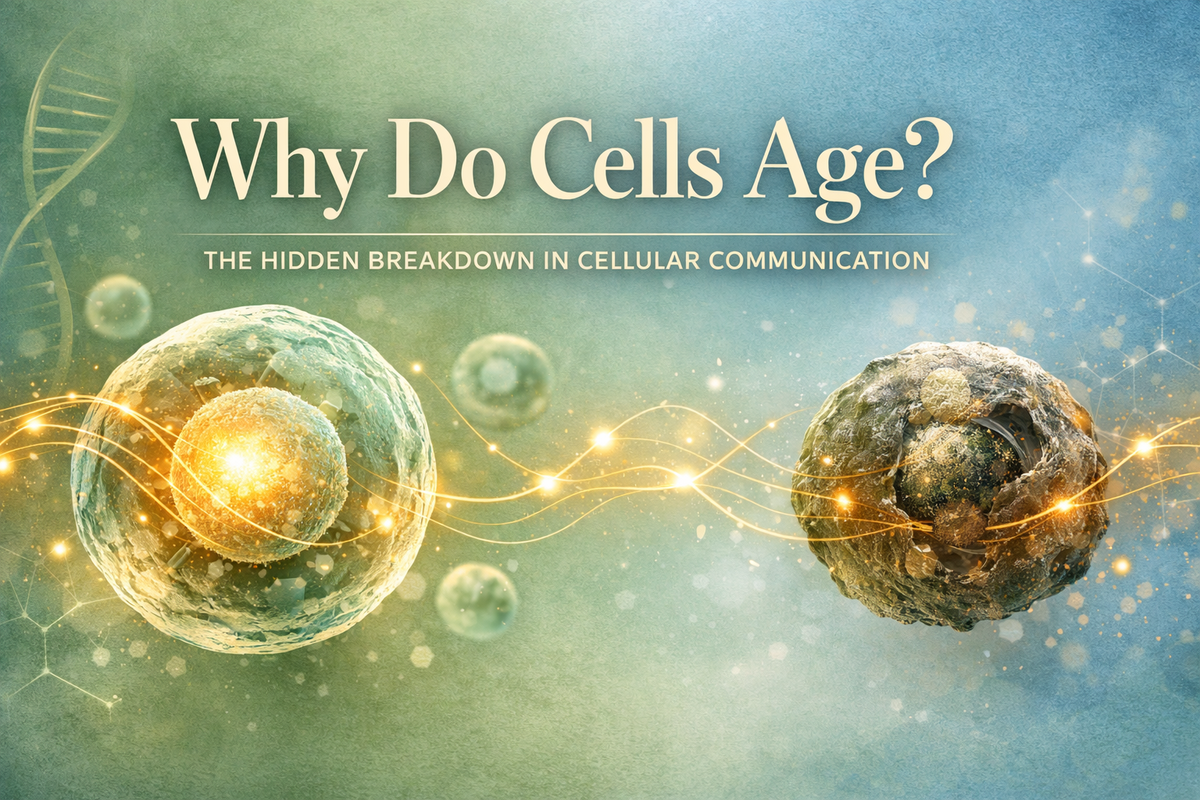
Why Do Cells Age? The Hidden Breakdown in Cellular Communication
Why do cells age? It’s not just damage or time. This article explores how cellular signaling breaks down over time, why healing slows, and what aging may really reflect beneath the surface.
You don’t suddenly “get old.”
It happens quietly.
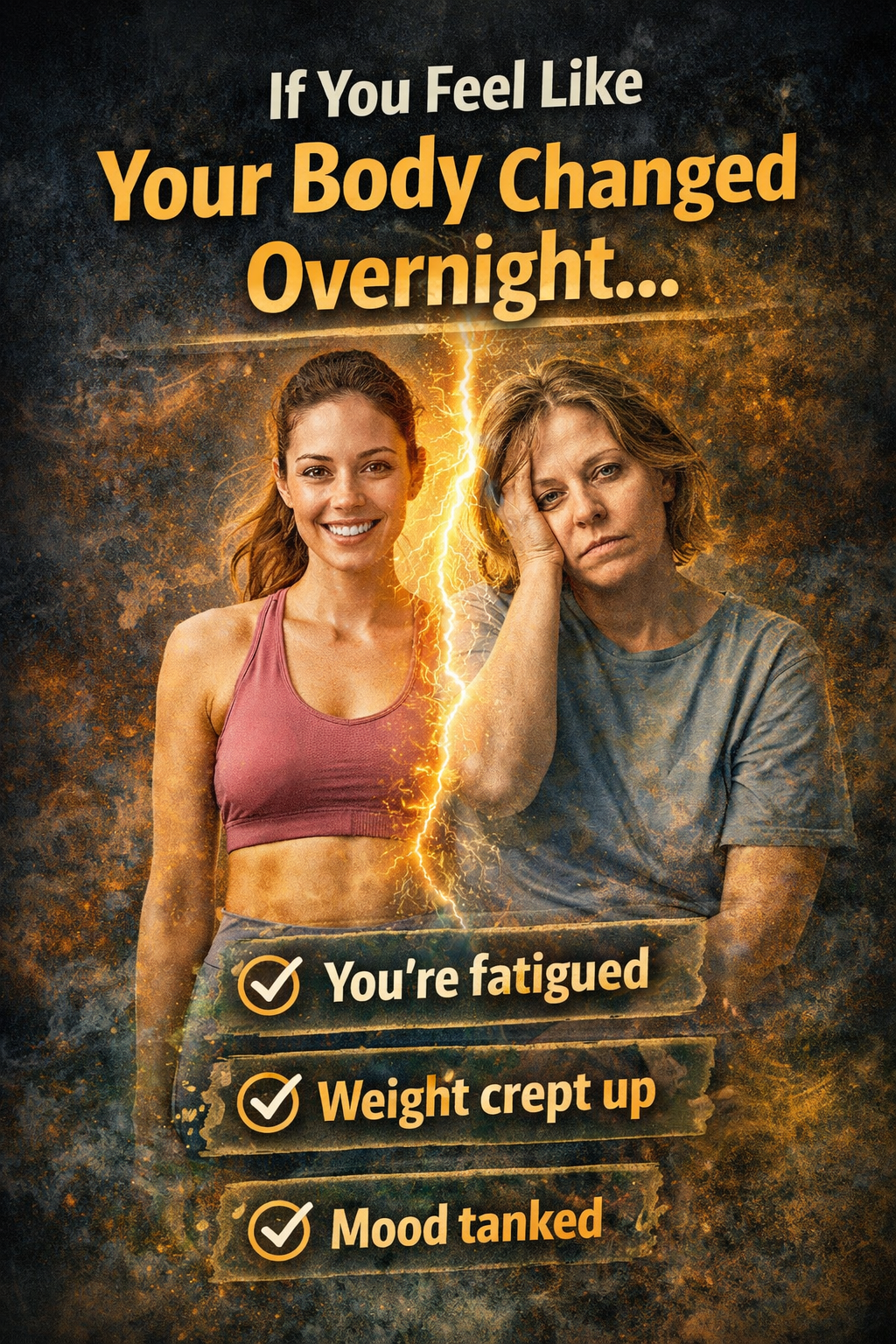
Healing takes a little longer.
Energy isn’t as steady.
Things that used to bounce back… don’t.
Most people assume this is just time catching up.
But that’s not the full story.
Because your body doesn’t run on time.
It runs on communication.
And aging begins when that communication starts to break down.
What causes cells to age?
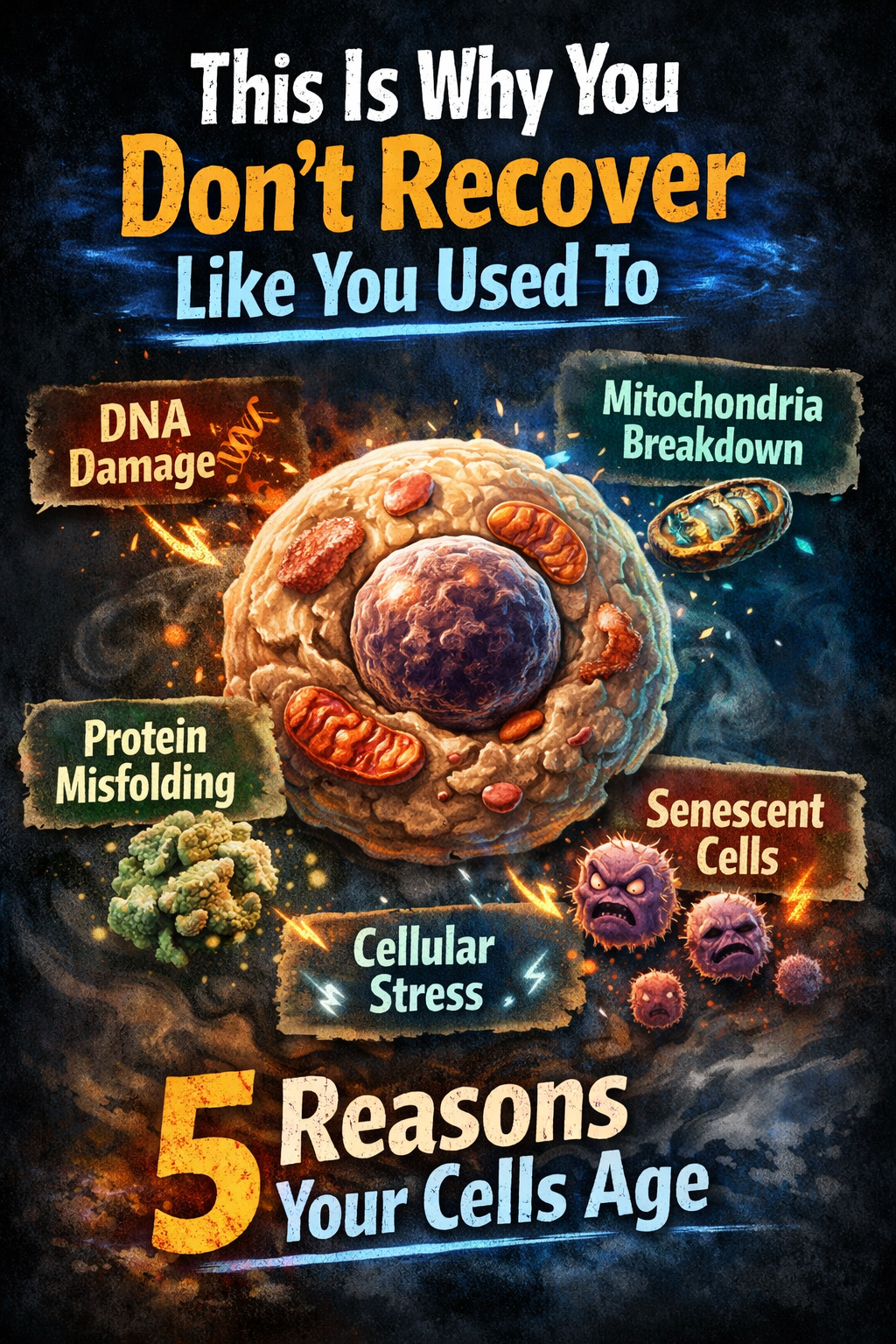
Cells age due to accumulated damage, reduced repair signaling, and declining cellular communication. Over time, oxidative stress, mitochondrial dysfunction, and telomere shortening disrupt how cells coordinate repair, leading to slower healing and reduced system efficiency.
Why do cells stop repairing themselves?
Cells don’t fully stop repairing, but signaling becomes less efficient. As communication weakens, cells respond more slowly to damage, making tissue repair less consistent and recovery slower over time.
Can cellular aging be reversed?
Cellular aging cannot be fully reversed, but it can be influenced. Research focuses on supporting repair signaling, improving cellular communication, and enhancing processes like autophagy to help maintain function.
What is cellular senescence?
Cellular senescence occurs when cells stop dividing but remain active. These cells can accumulate and contribute to inflammation and reduced tissue function, which is why they are closely studied in aging.
Why does healing slow down with age?
Healing slows because the signals that coordinate repair weaken. This leads to delayed responses in inflammation, regeneration, and tissue rebuilding.
Table of Contents
What Causes Aging at the Cellular Level
Most explanations of aging focus on damage.
Things like:
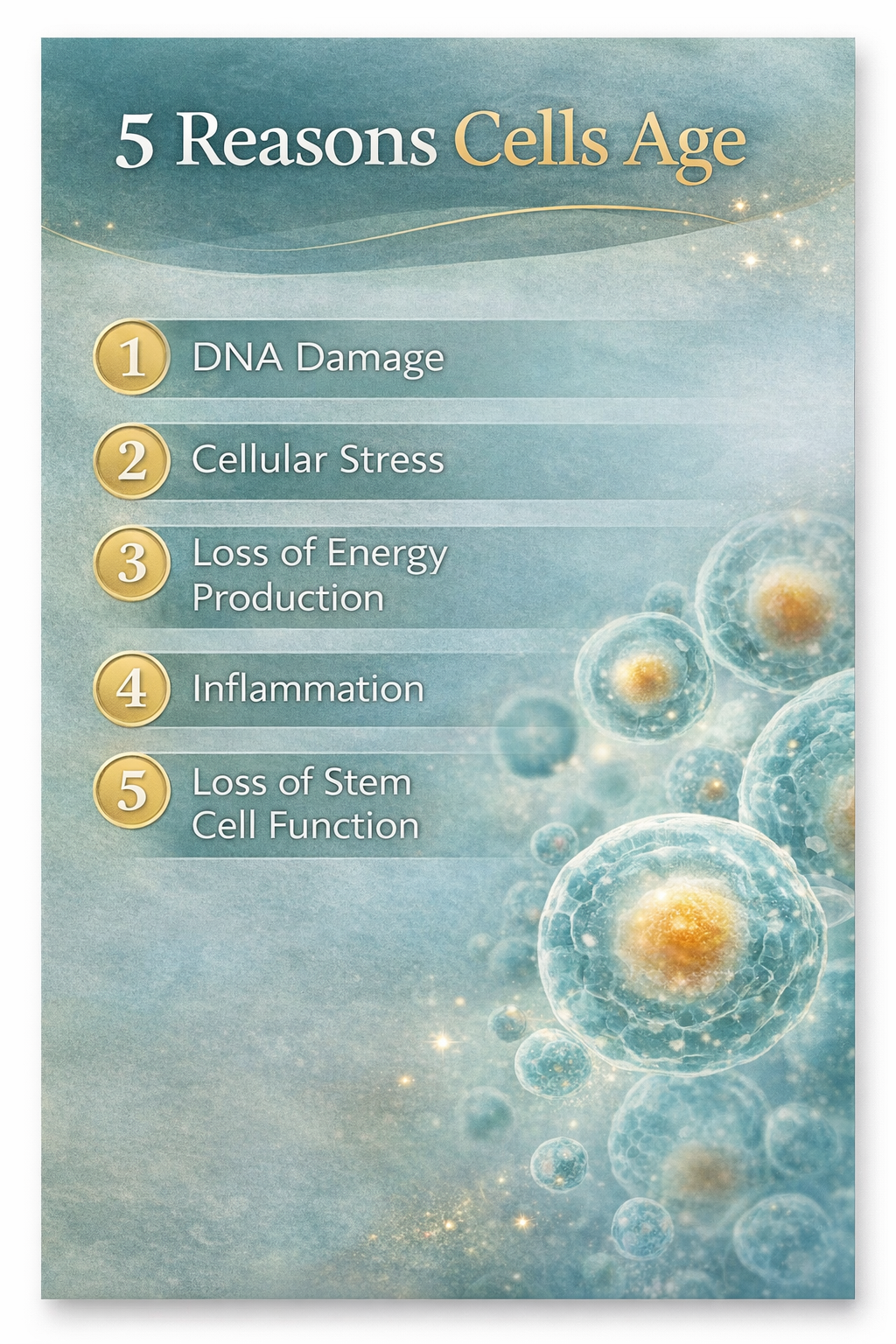
• oxidative stress
• DNA damage
• environmental exposure
And those matter.
But damage alone doesn’t explain why the body stops correcting itself the way it used to.
Because your body is constantly repairing damage.
What changes over time is not just the amount of damage.
It’s how well your cells coordinate the response.
Why Cellular Signaling Breaks Down Over Time
Your body runs on signaling.
Cells are constantly sending instructions about:
• when to repair
• when to rest
• how to produce energy
• how to respond to inflammation
When that signaling is clear, systems stay coordinated.
When signaling becomes distorted, things begin to drift.
Not all at once.
But gradually.
This is where aging quietly begins.
What Happens When Cells Stop Communicating Efficiently
When communication weakens, systems stop working together.
You may notice:
• energy becomes inconsistent
• digestion fluctuates
• inflammation lingers longer
• recovery slows
Most approaches try to fix each symptom separately.
But symptoms are often downstream.
The deeper issue is coordination.
Why Healing Slows Down With Age
Healing is not just about having the right nutrients.
It’s about timing and communication.
Cells need to know:
• when to activate repair
• how long to sustain it
• when to shut it down
As signaling weakens, those processes become less precise.
This is why healing slows even when you’re doing “the right things.”
This is also where metabolic flexibility becomes important.
Your body’s ability to switch between fuel sources directly influences how efficiently it can respond to stress and repair. This is explained further in What Is Metabolic Flexibility?
The Role of Telomeres in Cellular Aging
Telomeres are often described as protective caps on DNA.
Over time, they shorten.
This is one of the most well-known biological markers of aging.
But telomere shortening doesn’t act in isolation.
It reflects a broader decline in how cells maintain stability and communication.
If you want to understand how telomeres fit into the aging process, this is explored further in What Are Telomeres and How Do They Affect Aging & Health.
How Energy Production Influences Aging
Cells don’t just need instructions.
They need energy to carry them out.
Mitochondria are responsible for producing that energy.
When mitochondrial function declines:
• repair slows
• signaling weakens
• resilience drops
This connection between energy and aging is why mitochondria are central to longevity discussions.
You can explore this further in Hormones, Mitochondria, and Aging: The Hidden Connection.
Why Metabolism Affects Cellular Repair
Metabolism is not just about weight.
It’s about how your body processes and responds to energy.
When metabolism becomes inflexible:
• stress responses increase
• repair processes become inefficient
• inflammation lingers
This is why fasting is often discussed in aging research.
Not as restriction, but as a way to reset signaling and repair pathways.
If you want to understand this deeper, see The Anti Aging Power of Fasting.
Can the Body Still Repair Itself as It Ages
Yes.
But not in the same way.
The body never fully loses the ability to repair.
What changes is how efficiently those systems communicate.
That’s why two people of the same age can experience completely different levels of health.
It’s not just time.
It’s coordination.
Why More People Are Looking Beyond Symptoms
At a certain point, people start asking different questions.
Not:
“What supplement do I need?”
But:
“Why isn’t my body responding the way it should?”
That shift matters.
Because it moves the focus from inputs to communication.
From forcing outcomes…
to understanding systems.
Before You Go Deeper
If you’re reading this and thinking…
“Okay… this explains a lot. But how do I know what’s actually off in my body?”
That’s the part most people never get clarity on.
Not because they don’t care
-but because no one ever shows them how to interpret what their body is doing.
You can eat better.
Take supplements.
Try all the right things…
…and still feel like something isn’t fully clicking.
Because the issue isn’t always what you’re doing.
It’s how well your systems are communicating.
Inside Health Foundations, I walk you through how to start recognizing that:
• how to tell when your body is out of sync
• what your symptoms are actually pointing to
• how to support regulation instead of constantly chasing fixes
If you’re ready to stop guessing and start understanding what your body is actually trying to tell you, you can continue below.