
Why Better Mitochondria Start in Your Bedroom
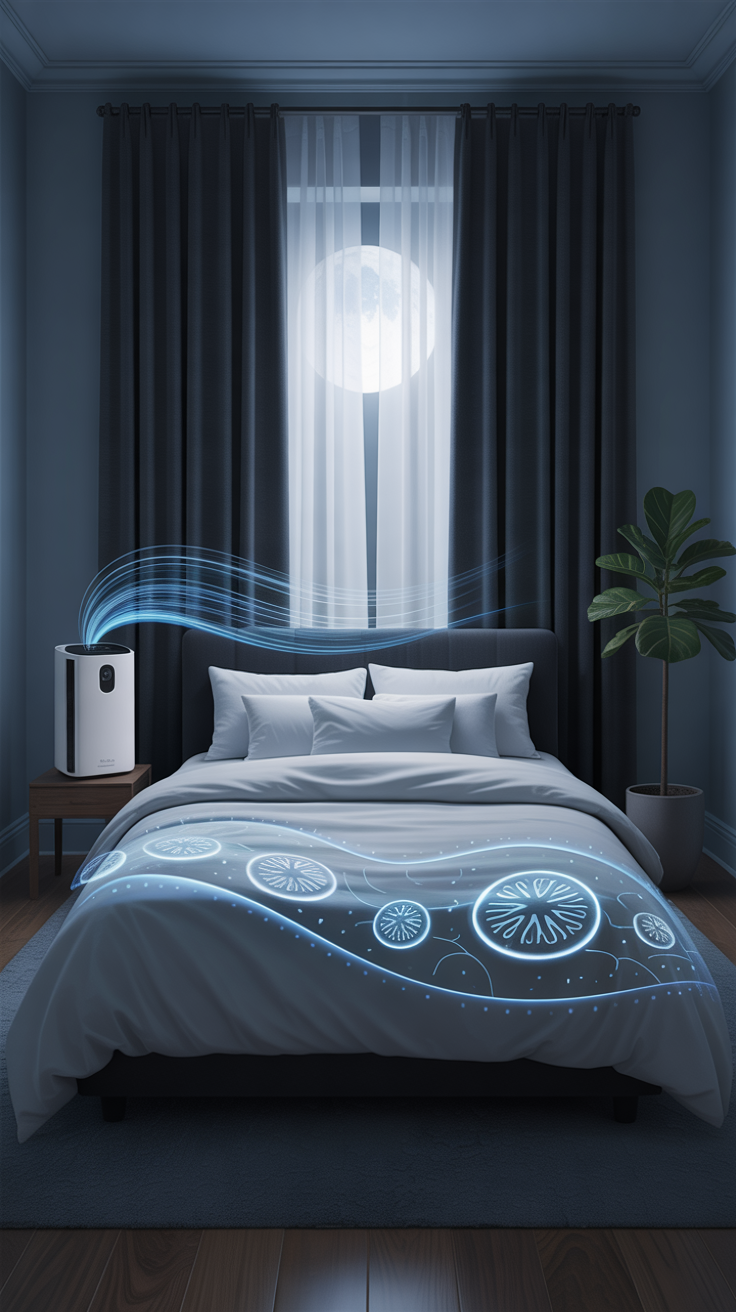
Better sleep means stronger mitochondria. Discover how darkness, clean air, cool temperatures, and a calm bedroom environment recharge your body overnight and boost your energy, hormones, and overall health.
Your body is built with breathtaking complexity. That is why symptoms are often confusing.
Fatigue feels like a sleep problem.
Mood changes feel like a brain problem.
Hormones feel like their own mystery.
But often one hidden thread ties them all together: your mitochondria.
These tiny structures sit at the center of energy, hormones, immunity, and repair. When they are strong, everything works better. When they are weak, your body sends signals that are hard to understand.
One of the most powerful ways to strengthen them begins where you least expect it.
It begins in your sleep.
Sleep Is Mitochondrial Repair Time
When you drift into deep sleep, your body does not just rest. Your mitochondria go into cleanup mode. Damaged parts are cleared away in a process called mitophagy. Broken engines are recycled and replaced.
What most people do not realize is that while the mind rests, the body becomes incredibly active. Hormones rise and fall on cue. The immune system runs nightly patrol. The brain flushes toxins through the glymphatic system. And your mitochondria quietly repair their own DNA.
This only works because energy demand shifts at night. The brain is an energy hog, using up to 25% of your body’s fuel while you are awake. But during sleep, energy demand drops. That freed-up energy is rerouted into repair, giving your mitochondria the margin they need to restore your body at the deepest level.
Without enough quality sleep, those worn-down mitochondria pile up, their DNA breaks down, and your cells lose efficiency. The result is fatigue, brain fog, hormone imbalance, and a body that feels older than it is.
Every night you either take your mitochondria into the repair shop, or you keep driving them broken until they sputter out.
Light Matters More Than You Think
The single biggest signal your mitochondria get is light.
Morning sunlight tells them it is time to make energy. Darkness at night tells them it is time to repair.
When your bedroom is filled with blue light from phones, tablets, or even streetlights outside the window, your body misses that nighttime signal.
Melatonin, your sleep hormone, is also one of your most powerful mitochondrial antioxidants. It rises in darkness and falls in light. No darkness means no melatonin. And no melatonin means your mitochondria miss their biggest chance to heal.
Science shows that even a little light is enough to interfere with this process. Studies reveal that normal room light before bed can delay melatonin by up to 90 minutes. Even dim light during sleep can reduce deep sleep, shorten total sleep time, and cause more waking through the night. That means nightlights, glowing electronics, or streetlamps leaking through curtains can all quietly sabotage your rest.
What to do:
- Use blackout curtains or an eye mask to block outside light
- Cover or remove glowing electronics
- Keep screens out of the bedroom
- Let your body know it is truly nighttime by making the space as dark as possible
Oxygen and Air Quality
Your mitochondria run on oxygen. If your bedroom air is stale, filled with dust, or hiding mold, your mitochondria struggle to make energy efficiently. Clean, moving air gives them the raw material they need.
Poor air quality can also increase inflammation, trigger allergies, and quietly stress your immune system — all things that drain energy at the cellular level. Even low levels of mold exposure can cause fatigue, brain fog, and hormone disruption.
What you can do:
- Open your windows daily when weather and outdoor air quality allow
- Add plants like peace lily, snake plant, or spider plant that naturally freshen the air
- Run a dehumidifier if your bedroom tends to be damp
- Invest in a high-quality HEPA air purifier to filter dust, pollen, and hidden toxins (this is one of the easiest and most powerful upgrades you can make for your sleep environment)
👉 Check out this recommended HEPA air purifier- it quietly runs at night, filters out harmful particles, and helps your mitochondria get the clean oxygen they need.
Temperature Sets the Tone
A cool bedroom supports deeper sleep. It also nudges your mitochondria to become more efficient, just like light exercise or mild cold exposure does during the day.
The ideal range for quality sleep is 60 to 67 degrees Fahrenheit (15 to 19 Celsius), with about 65 degrees often being the sweet spot. 🥶 I had no idea!
This cooler environment helps your body drop its core temperature, which is necessary for falling asleep and staying in deep sleep.
If your bedroom is too warm, you may wake up restless and sweaty. If it is too cold, your body may work too hard to stay warm.
The goal is to keep your room comfortably cool with breathable bedding and light layers you can adjust.
Setting your thermostat in that range makes both your sleep and your energy stronger.
Hidden EMF Stress
The science on EMFs and sleep is still evolving, but there is enough evidence to take them seriously. Some studies suggest that nighttime EMF exposure may lower melatonin, fragment sleep, or keep the nervous system slightly activated.
Even small exposures from phones, WiFi routers, or plugged-in electronics can add background stress that keeps your rest from being as deep as it could be.
What to do:
- Charge your phone outside the bedroom or switch it to airplane mode
- Move WiFi routers away from your sleep space or turn them off at night
- Limit plugged-in devices near your bed
Reducing EMFs may not feel dramatic at first, but many people notice calmer, deeper sleep when they keep their bedroom free of extra signals.
A Bedroom That Heals
Here is how to make your bedroom a mitochondria-friendly zone:
- Keep it dark with blackout curtains and screen-free evenings
- Keep it quiet and low-EMF by removing phones, routers, and electronics
- Keep it cool with a lower thermostat or light bedding
- Keep it clean with moving air, purified air, and mold awareness
- Keep it calm with bedtime rituals like breathwork, prayer, or journaling
Your bedroom is more than just a place to rest. It is the nightly recharge station for your mitochondria.
When you give them darkness, oxygen, cool air, and calm, they give you back something far more valuable: energy, clarity, and vitality to carry you through the day.
You don’t need more opinions. You need results.
And you won’t find them in a broken system built on prescription pads and profit.
But you’re here. You’re asking questions. You’re waking up.
You’re just living in a world that profits off you.
But once you realize the power was in your hands all along,
you stop playing small and start healing for real.
Jamie Shahan, MSN, CRNA, RN
Empowering Holistic Health
🌐 Connect with me on Social Media:
⚠️ Disclaimer
The information on this website is for educational purposes only and is not intended to diagnose, treat, cure, or prevent any disease. The content reflects the personal research, experiences, and opinions of Jamie Shahan and should not be considered medical advice. Always consult with your healthcare provider before making any decisions about your health, especially if you are pregnant, nursing, have a medical condition, or are taking medications.
Some links on this site may be affiliate links, which means I may earn a small commission if you choose to make a purchase at no additional cost to you. I only recommend products I use myself or would confidently recommend to someone I love