What Are Bioregulators and Why Are People Using Them?
Bioregulators are short-chain peptides that support cellular communication and regulation. Rather than forcing the body or suppressing symptoms, they help restore balance at the cellular level. Learn what bioregulators are, how they work, and why people are paying attention.
Bioregulators are often mentioned in the same breath as peptides, which can make the topic feel confusing or overly technical. But the core idea behind bioregulators is actually simple.
In simple terms, bioregulators are about communication.
Not forcing the body.
Not overriding symptoms.
But supporting how the body regulates itself at the cellular level.
Bioregulators are not medications, hormones, or stimulants. They don’t force the body to do anything and they aren’t designed to override symptoms. Instead, they work by supporting the body’s existing regulatory systems so normal balance can be restored over time.
What Is a Bioregulator?
A bioregulator is a peptide used for regulatory signaling in the body.
To understand that, it helps to briefly clarify what a peptide is.
A peptide is a short chain of amino acids. Amino acids are the basic building blocks of the body, and when they link together in short sequences, they form peptides. The body naturally makes and uses thousands of peptides every day to send messages between cells.
Bioregulators are select peptides with specific amino acid sequences that allow them to interact with particular tissues or systems in a regulatory way.
In other words, all bioregulators are peptides, but not all peptides are bioregulators.
The use of tissue-specific regulatory peptides has been studied for decades, particularly in the context of aging, cellular repair, and longevity. What’s changed recently is broader awareness of how important cellular communication is to long-term health.
How Bioregulators Work (Without Getting Technical)
The body does not recognize something as a “bioregulator” or “not a bioregulator.” It only responds to structure and binding patterns
All peptides send signals. What matters is where they bind and what kind of signal they deliver.
Bioregulator peptides are designed to fit into specific receptors or cellular binding sites involved in regulation. When they bind, they support normalization of cellular function, helping cells regulate themselves more efficiently.
Rather than pushing the body in one direction, bioregulators support balance and coordination at the cellular level.
That is the key distinction.
Why Regulation Matters More Than Stimulation
Many interventions work by stimulating, blocking, or suppressing a response. While that can be useful in certain situations, it is not the same as supporting regulation.
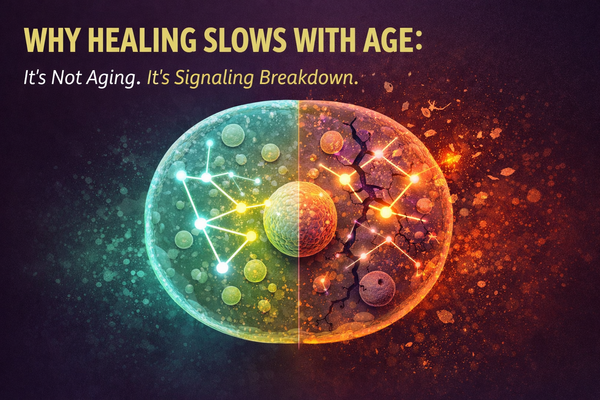
As we age, or live under chronic stress, inflammation, and toxic exposure, cellular communication becomes less efficient. Cells don’t suddenly fail. They become less coordinated.
Bioregulators are used to support that coordination.
They are not meant to replace the body’s intelligence, but to help restore the signals that allow the body to do what it was designed to do.
What Are the Benefits of Bioregulators?
People explore bioregulators because they align with a long-term, foundational approach to health.
They are commonly used to support:
- Cellular repair and maintenance
- Tissue-specific regulation
- Immune system communication
- Nervous system balance
- Skin aging and regeneration
- Prostate and kidney cellular support
- Overall resilience with age
Benefits are often subtle and gradual, which is exactly what you would expect from something that works at the regulatory level rather than forcing outcomes.
Because bioregulators work at the regulatory level, they are not meant to produce dramatic or immediate effects. Their value is in supporting long-term cellular function, which often requires patience and consistency rather than quick results.
| System / Organ | Bioregulator Name | Associated Tissue | Primary Area of Support |
|---|---|---|---|
| Immune System | Vladonix A-6 | Thymus | Supports immune system regulation and communication, particularly as immune signaling changes with age or stress |
| Brain & Nervous System | Cerluten A-5 | Brain cortex | Supports nervous system signaling, cognitive clarity, and age-related changes in brain communication |
| Thyroid | Thyreogen A-2 | Thyroid gland | Supports regulatory signaling involved in metabolism and endocrine balance |
| Heart | Chelohart A-14 | Heart tissue | Supports normal cardiac tissue regulation and circulatory function |
| Lungs & Respiratory System | Taxorest A-19 | Lung tissue | Supports respiratory tissue regulation, often explored in people exposed to pollution or chronic stress |
| Muscles | Gotratix A-18 | Skeletal muscle | Supports muscle tissue regulation, recovery, and physical resilience |
| Eyes & Vision | Visoluten | Retina | Supports retinal tissue regulation and age-related eye health |
| Eyes & Pineal Axis | Pinalex | Pineal gland | Supports neuro-endocrine signaling linked to circadian rhythm and visual system regulation |
The names of bioregulators refer to the peptide type and tissue association, not to a specific brand. The same bioregulator may be available from different manufacturers under the same name.
How Bioregulators Are Typically Used
Bioregulators are usually taken in short cycles, not continuously. This mirrors how the body naturally uses signaling molecules.
The goal is to support regulation, then step back and allow the body to respond.
Hydration, nutrition, and detox pathways matter when using any cellular signaling support. More is not better.
Are Bioregulators Safe?
Bioregulators are generally considered low risk when used appropriately.
Some people may notice mild, temporary effects such as fatigue or detox-like symptoms, especially at the beginning. These are often signs of cellular adjustment rather than adverse reactions.
Starting low and using short cycles is key.
Why Bioregulators Are Gaining Attention Now
Bioregulators are not new. Research on tissue-specific peptides has been around for decades. What is new is the growing awareness that health is not just about chemistry, but communication.
For people focused on supporting the body’s natural regulatory systems rather than chasing symptoms, bioregulators offer a simple but powerful concept.
Bioregulators tend to appeal most to people who think long-term about health. They are not designed for those looking for fast symptom relief, but for individuals interested in foundational support, resilience with age, and working with the body rather than pushing it.
They don’t shout at the body.
They remind it.
At their core, bioregulators reflect a simple idea: the body is intelligent. When communication is supported and regulation is restored, the body often knows exactly what to do next.
Want to go deeper?
This article is meant to give you clarity, not overwhelm. Inside the membership, I share deeper education on how I think about cellular communication, long-term resilience, and tools that support the body’s natural regulatory systems.
If you’re someone who prefers understanding why something works before deciding if it’s right for you, you’ll feel at home there.
The Restoration Library
Jamie Shahan, MSN, CRNA, RN
Empowering Holistic Health
Curator of forgotten wisdom with a modern understanding of why it works.
🌐 Connect with me on Social Media:
Disclaimer
The information provided on this website, in associated blogs, courses, and materials, is for general educational and informational purposes only. It is not medical advice and should not be interpreted as such.
I am not a medical doctor. The content I share reflects my personal opinions, experiences, and research. It is not intended to diagnose, treat, cure, or prevent any disease, condition, or illness.
You should not rely on the information here as a substitute for professional medical care, advice, or treatment. Always consult with a licensed healthcare provider before making any decisions regarding your health, especially if you are pregnant, nursing, taking prescription medications, or managing a medical condition.
By reading this website or using any related materials, you acknowledge and agree that:
- You are fully responsible for your own health decisions.
- The author and publisher of this content assume no liability for any harm, loss, or adverse effects arising directly or indirectly from the use, misuse, or interpretation of the information provided.
- No guarantees are made regarding the outcomes of applying any ideas, suggestions, or protocols discussed. Results will vary for each individual.
Affiliate Disclosure
Some products or tools mentioned may include affiliate links. This means that if you choose to purchase through those links, I may earn a small commission at no extra cost to you. I only recommend products I have personally used, researched, or would recommend to someone I love.
Use at Your Own Risk
By accessing this website and its materials, you agree that you are doing so voluntarily and that you assume full responsibility for any decisions you make regarding your health, lifestyle, or purchases.