The Stages of Gut Healing and What Happens After Symptoms Improve
Gut healing happens in stages. Learn what happens after symptoms improve, how the digestive system rebuilds, and which gut healing steps should wait until stability returns. A practical guide to rebuilding digestion and supporting long-term gut health.

Our gut rarely heals in a straight line.
For most people, digestive recovery happens gradually. The bloating that used to appear after every meal begins fading. Energy stabilizes. Foods that once caused discomfort slowly become easier to tolerate.
But this stage can also create confusion.
Many people assume that once symptoms improve, the gut has fully healed. In reality, this phase usually marks the transition between stabilization and deeper rebuilding.
Understanding the stages of gut healing helps you recognize where your body is in the recovery process and which strategies support long-term digestive health.
If you're new to understanding digestive recovery, the Gut & Digestion Reset pillar explains how digestion influences inflammation, metabolism, immunity, and overall health.
Frequently Asked Questions About Gut Healing
What are the stages of gut healing?
Gut healing typically occurs in stages. First inflammation begins calming and digestion stabilizes. Next the intestinal lining gradually repairs itself while microbial balance improves. Finally the digestive system becomes more resilient, allowing a wider range of nourishing foods without triggering symptoms.
What are signs your gut is healing?
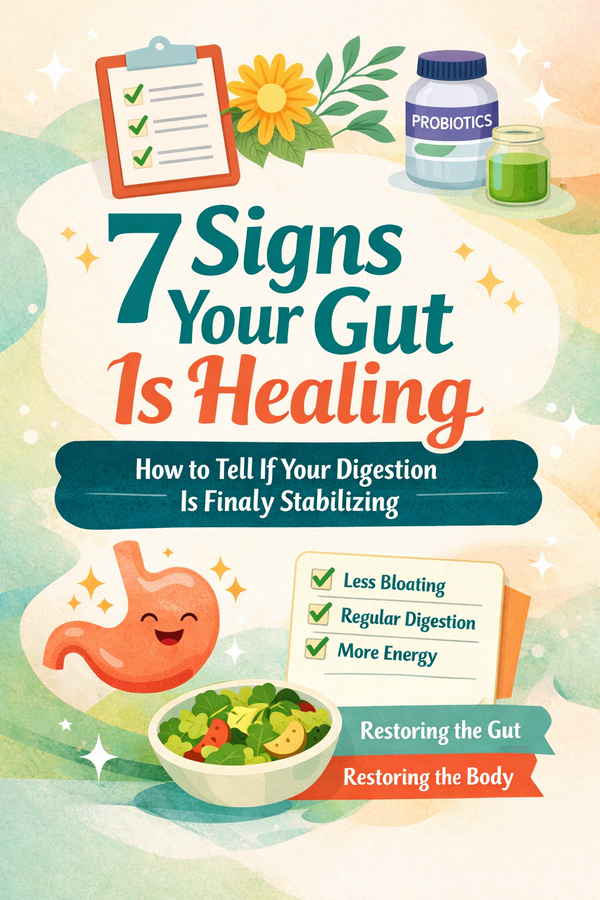
Common signs include reduced bloating, more regular bowel movements, improved energy after eating, and fewer food reactions. These signals often indicate that inflammation is decreasing and the digestive environment is becoming more stable.
How long does gut healing take?
Recovery timelines vary depending on the cause of the imbalance. Some people notice improvement within weeks after stabilizing digestion, while deeper restoration of the gut lining and microbiome may take several months.
What is the quickest way to heal your gut?
The most effective approach focuses on reducing inflammation, restoring digestive rhythm, supporting the gut lining, and gradually expanding nourishing foods rather than using aggressive protocols too early.
In This Article
What are the stages of gut healing
What happens when gut symptoms start improving
How to rebuild the gut after symptoms improve
What gut healing steps should wait until stability returns
How long gut healing actually takes



Gut healing happens in stages. Stabilizing digestion is often the first step before deeper repair of the gut lining and microbiome can occur.
What Are the Stages of Gut Healing?
Gut healing usually occurs in several phases rather than all at once. Early recovery often involves calming inflammation and stabilizing digestion. Once symptoms begin improving, the body can focus on repairing the intestinal lining, restoring microbial balance, and rebuilding digestive resilience.
The stages often look like this:
• Inflammation reduction
• Digestive stabilization
• Repair of the gut lining
• Microbial balance returning
• Long-term digestive resilience
Many people assume that symptom improvement means the gut has completely healed. In reality, this stage usually signals that the digestive environment is stable enough for deeper rebuilding to begin.
If you want to understand how early recovery signals appear, this article explains several of the most common improvements people notice.
What Happens When Gut Symptoms Start Improving?
When gut symptoms begin improving, it usually means the digestive system has entered a stabilization phase.
During this stage:
• inflammation is decreasing
• digestion becomes more predictable
• the intestinal lining begins repairing itself
• the microbiome becomes less reactive
This stage is important because the body finally has the conditions needed to rebuild.
However, many people accidentally disrupt this progress by introducing aggressive interventions too quickly. Cleanses, antimicrobial protocols, or restrictive diets can sometimes destabilize the environment again if the gut is still fragile.
Long-term healing usually requires protecting stability before pursuing deeper interventions.
How Do You Rebuild the Gut After Symptoms Improve?
Once symptoms begin stabilizing, the focus shifts from symptom control to rebuilding the gut environment.
This stage usually includes:
• restoring digestive rhythm
• gradually expanding nourishing foods
• supporting the intestinal lining
• stabilizing microbial activity
• maintaining a low-inflammation lifestyle
Nourishing foods can play an important role during this phase. Many people find that foods rich in collagen-supporting amino acids help support the intestinal barrier.
→ Bone Broth, Collagen, and Gelatin: Your Gut’s Dream Team
Digestive rhythm is also important. When bowel movements remain irregular, toxins and waste may linger in the digestive tract longer than intended.
If constipation is present, addressing it can significantly improve gut recovery.
→ Constipation and Gut Sabotage
What Gut Healing Steps Should Wait Until Stability Returns?
One of the most common mistakes during digestive recovery is introducing aggressive interventions too early.
Examples include:
• strong antimicrobial protocols
• parasite cleanses
• extreme detox programs
• restrictive elimination diets
These approaches can sometimes destabilize digestion if the gut environment is still fragile.
Many modern gut protocols focus on killing pathogens first. However, long-term healing often depends more on strengthening the internal environment.
→ How to Improve Gut Health Naturally: Why Killing Pathogens Isn’t the First Step
The goal during early recovery is not to eliminate every microbe, but to create conditions where balance naturally returns.
How Long Does Gut Healing Actually Take?
Gut healing timelines vary widely depending on the cause of the imbalance and how long digestive issues have been present.
For some people, stabilization begins within a few weeks of reducing inflammation and supporting digestion. Deeper rebuilding of the intestinal lining and microbiome can take several months as the body gradually restores balance.
Several factors influence recovery speed:
• chronic inflammation
• stress and nervous system signaling
• microbial imbalance
• digestive motility
• diet quality
Because healing happens in stages, symptoms often improve gradually rather than disappearing overnight.
The article continues below for Health Foundations members, with the step-by-step protocol for rebuilding digestion after stabilization.