Acid Reflux Symptoms and Causes: Why It’s Not Too Much Acid and What Actually Fixes It
Acid reflux, GERD, heartburn, and silent reflux are not caused by excess stomach acid. They happen when digestion signaling breaks down and acid moves into the esophagus. Learn what really triggers reflux and why suppressing acid does not fix it.
You Were Lied To About Reflux. It Is Not Too Much Acid.
If you suffer from acid reflux, you were likely given the wrong explanation from the start.
The problem is not too much stomach acid. Not even close.
Acid reflux symptoms like heartburn, burning in the throat, regurgitation, chronic cough, and even silent reflux are not caused by excess acid. They are caused by acid crawling up the esophagus when the lower esophageal sphincter does not stay closed.
Acid reflux, GERD, heartburn, and silent reflux are often treated as acid problems, but they are actually digestion signaling problems.
Most people have never been told why that sphincter fails. And almost no one has been taught about the hormone responsible for keeping it closed.
That hormone is called gastrin.
If you are searching for natural reflux remedies, a reflux diet, or acid reflux home remedies, you deserve to understand what is actually happening inside your body so you can fix it at the source instead of relying on reflux medicine long term.
Let’s break this down clearly and calmly.
Spoiler alert. You do not have a proton pump inhibitor deficiency.
What Gastrin Does and Why It Matters
To understand why reflux keeps happening, you first have to understand how digestion is supposed to begin.
When you take a bite of food, your stomach needs a signal that says, digestion starts now. That signal is gastrin.
Gastrin:
- Tightens the lower esophageal sphincter so acid stays in the stomach where it belongs
- Signals the production of stomach acid
- Helps activate pepsin to break down protein
- Supports stomach muscle movement so food moves downward
Most people have never heard of gastrin before. That is not a personal failure. It is simply not discussed in standard reflux conversations, even though it plays a central role in digestion.
Gastrin works as part of a signaling cascade. When it is low or poorly triggered, the lower esophageal sphincter does not receive a strong “stay closed” message.
When gastrin is low, the sphincter does not close properly. Pressure builds inside the stomach. Food and acid are pushed upward.
This is when reflux symptoms appear.
That burning in your chest or throat.
That nighttime reflux that jolts you awake.
That chronic cough that never fully resolves.
It feels dramatic and scary. But the cause is simple.
Low gastrin. Not too much acid.
Why Acid Reflux Symptoms Show Up
This is where everything starts to feel backwards.
When stomach acid stays where it belongs, you do not feel it.
When stomach acid touches the esophagus, even a small amount burns.
It feels like excess acid.
In reality, it is acid in the wrong place because digestion is underpowered.
Because stomach acid is not strong enough to fully activate digestion.
Low stomach acid leads to:
- Poor breakdown of food
- Fermentation and gas
- Pressure building inside the stomach
- A weak signal to keep the LES closed
It feels like excess acid.
In reality, it is insufficient acid.
Pepsin: The Forgotten Enzyme Behind Bloating and IBS-Like Symptoms
Reflux rarely travels alone. Once stomach digestion weakens, other parts of the system start to struggle too.
Pepsin is an enzyme that requires strong stomach acid to activate.
Low acid means pepsin stays inactive.
Without pepsin:
- Protein ferments instead of digesting
- Gas builds, causing belching and pressure
- Undigested food irritates the intestines
This often leads to:
- Bloating after meals
- Constipation or diarrhea
- Bad breath
- Nausea
- Undigested food in stool
This is why acid reflux diet searches and reflux friendly food lists are so popular. Avoiding foods reduces pressure temporarily. But it does not correct the underlying digestive failure.
The Pancreas and Bile Get Pulled In Too
Digestion works like a relay race. Each phase depends on the one before it.
When stomach acid and pepsin are low, the next signals do not fire properly.
This leads to:
- Weak bile release for fat digestion
- Poor pancreatic enzyme release for carbs and proteins
- More bloating and irritation further down the digestive tract
Reflux is often the first domino.
IBS-like symptoms are the dominoes that fall afterward.
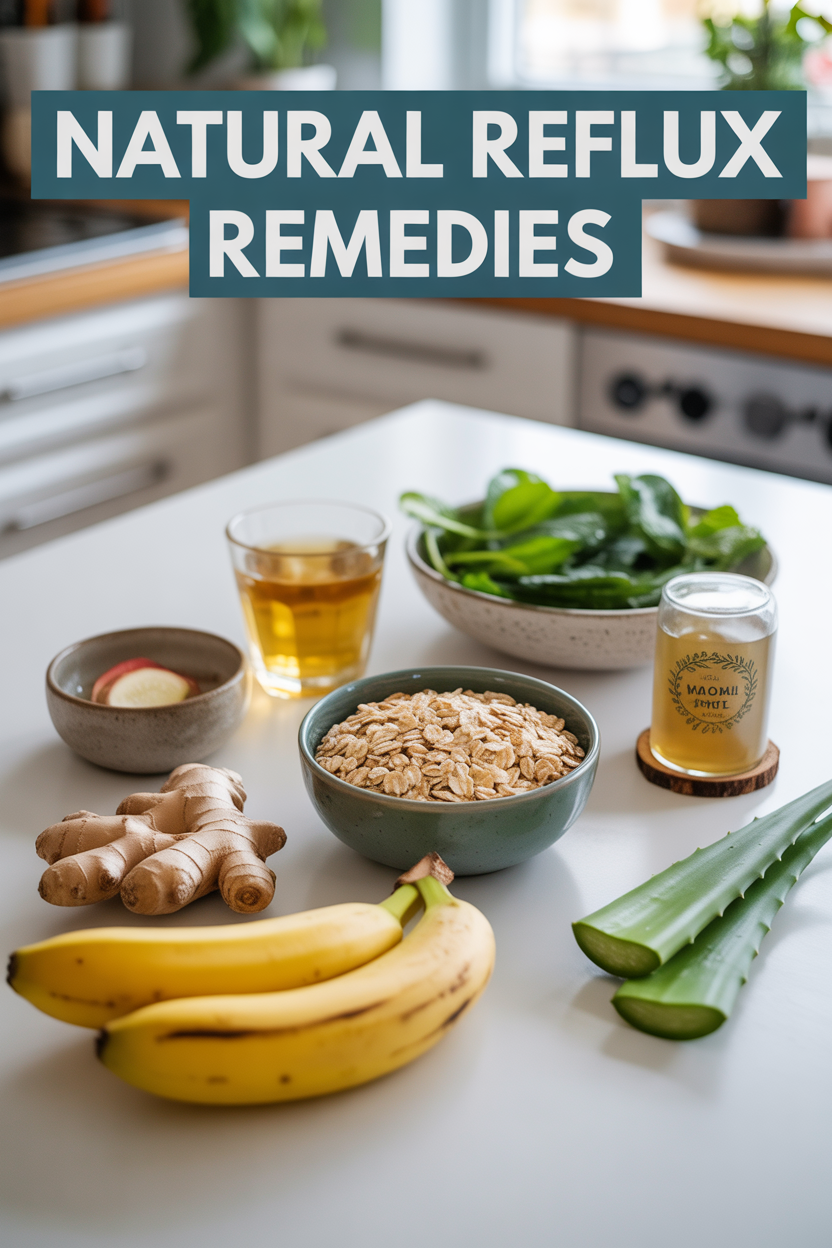
Natural Reflux Remedies That Actually Work
The solution is not suppressing acid.
The solution is restoring digestive signaling.
Before changing everything at once, it helps to know that small shifts can make a big difference.
Try:
- Eat slowly and chew thoroughly
- Use bitter foods before meals like lemon or ginger
- Avoid drinking large amounts of water with meals
- Stop eating close to bedtime
- Take a gentle walk after meals to support stomach movement
- Support minerals with electrolytes in your water
- Reduce ultra-processed foods that are difficult to digest
These reflux home remedies work because they support the body’s design instead of blocking it.
Why Reflux Medication Does Not Fix Reflux
Reflux medication can be appropriate short term in certain situations, but it does not correct the underlying digestive signaling problem.
This is not about blaming anyone for taking reflux medication. Most people were never given another explanation.
Proton pump inhibitors shut down acid production.
They do not increase gastrin.
They do not strengthen the LES.
They do not improve digestion.
They provide temporary symptom relief while digestion continues to weaken.
Long-term consequences can include:
- Poor mineral absorption
- Low vitamin B12
- Increased infections
- Worsening bloating and constipation
- Nutrient deficiencies
The more acid is suppressed, the more compensation the body has to make.
Reflux and Lifestyle: Fix the Coordination Problem
Your body needs:
- Gastrin to keep acid in the stomach
- Strong stomach acid to activate pepsin
- Pepsin to break down protein
- Bile and pancreatic enzymes to finish digestion
- Movement in one direction, down
You do not have a reflux problem.
You have a coordination problem in digestion.
When digestion regains its rhythm, reflux becomes unnecessary.
Fix the foundation, and acid reflux relief follows.
In Case You Skimmed
- Acid reflux symptoms are caused by low gastrin, not excess acid
- Low gastrin means the LES does not stay closed
- Low stomach acid and inactive pepsin lead to bloating, gas, constipation, or diarrhea
- Suppressing acid worsens digestion long term
- Real reflux solutions restore digestion instead of blocking it
Your body is divinely designed. When you support its natural processes, healing begins.
You Don’t Need More Acid Blockers. You Need Better Digestion.
If you want a structured way to support digestion without extremes, the Anti-Inflammatory Gut Reset helps calm inflammation and restore digestive flow at the foundation.
👉 View the Anti-Inflammatory Gut Reset
Curator of forgotten wisdom with a modern understanding of why it works.
Jamie Shahan, MSN, CRNA, RN
Empowering Holistic Health
🌐 Connect with me on Social Media:
Disclaimer
The information provided on this website, in associated blogs, courses, and materials, is for general educational and informational purposes only. It is not medical advice and should not be interpreted as such.
I am not a medical doctor. The content I share reflects my personal opinions, experiences, and research. It is not intended to diagnose, treat, cure, or prevent any disease, condition, or illness.
You should not rely on the information here as a substitute for professional medical care, advice, or treatment. Always consult with a licensed healthcare provider before making any decisions regarding your health, especially if you are pregnant, nursing, taking prescription medications, or managing a medical condition.
By reading this website or using any related materials, you acknowledge and agree that:
- You are fully responsible for your own health decisions.
- The author and publisher of this content assume no liability for any harm, loss, or adverse effects arising directly or indirectly from the use, misuse, or interpretation of the information provided.
- No guarantees are made regarding the outcomes of applying any ideas, suggestions, or protocols discussed. Results will vary for each individual.
Affiliate Disclosure
Some products or tools mentioned may include affiliate links. This means that if you choose to purchase through those links, I may earn a small commission at no extra cost to you. I only recommend products I have personally used, researched, or would recommend to someone I love.
Use at Your Own Risk
By accessing this website and its materials, you agree that you are doing so voluntarily and that you assume full responsibility for any decisions you make regarding your health, lifestyle, or purchases.