10 Natural Alternatives to Common Over-the-Counter Meds (Build Your Herbal Medicine Cabinet)
Want relief without the side effects? Build a natural medicine cabinet stocked with 10 powerhouse herbs that replace everyday over-the-counter meds. Safer support for pain, colds, stomach upset, and sleepless nights - all from plants you can trust.
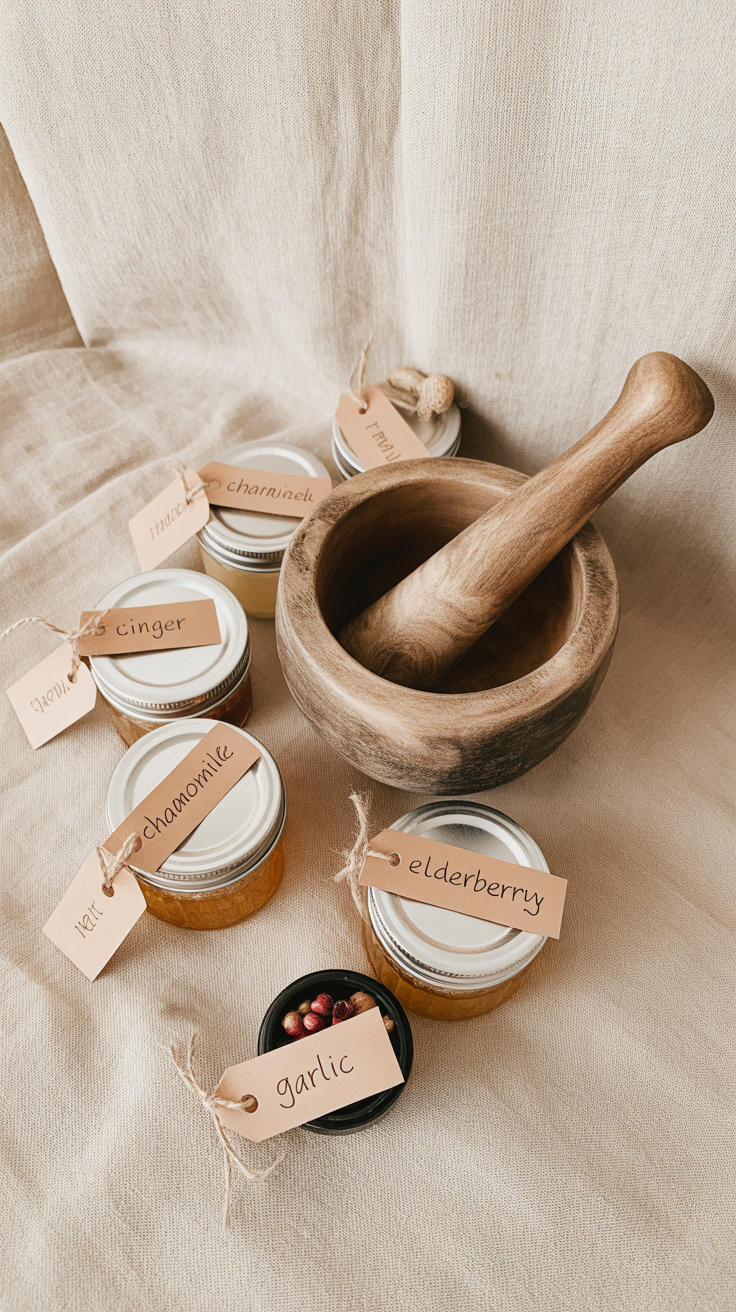
When the pill bottle is not the only answer
We have all gotten used to reaching for something in a plastic bottle for pain, sleep, or sniffles, but those quick fixes often come with fine print and side effects we did not bargain for. Many are petroleum based and can put extra stress on the liver and gut when used often. Long before big brands lined the shelves, people leaned on plants to soothe pain, fight infection, and support the body’s own healing systems. That wisdom is not gone, it has just been overshadowed.
This guide is not about rejecting medicine. I thank God for lidocaine when I am in the dentist’s chair, anesthesia when babies are born, and trauma teams when lives are on the line. Modern medicine is a gift when it is truly needed. But for everyday bumps, bruises, colds, and sleepless nights, it is empowering to know you have safe, natural tools at home.
Why Build a Herbal Medicine Cabinet
- Less chemical load: You can reduce how often you rely on synthetic drugs for small issues.
- Quick relief on hand: You are prepared for headaches, colds, bug bites, and tummy troubles without a late-night pharmacy run.
- Empowerment: You know what you are using and why.
Top 10 Herbs for a Well-Stocked Herbal Medicine Cabinet
1. Yarrow (Achillea millefolium)
- Uses: Fever reducer, wound care (stops bleeding fast), digestion, respiratory colds.
- How to Use:
- Tincture: 2–4 mL up to three times daily.
- Tea/infusion: 1–2 teaspoons dried leaf or flower per cup hot water; drink for fevers or colds.
- Poultice or powder: Crush dried leaves or flowers and pack onto bleeding cuts.
- Cautions: Avoid during pregnancy; may cause allergic reaction if sensitive to ragweed family.
2. Ginger (Zingiber officinale)
- Uses: Nausea, motion sickness, indigestion, circulation.
- How to Use:
- Tea: Simmer 1–2 inches of sliced fresh root in 2 cups water for 10–15 minutes.
- Powder: ¼–½ teaspoon in hot water or smoothies.
- Cautions: Can thin blood; use caution with anticoagulant medicines or before surgery; large doses may upset stomach.
3. Peppermint (Mentha piperita)
- Uses: Headaches, stomach cramps, gas, mild congestion.
- How to Use:
- Tea: Steep 1 tablespoon dried leaf per cup boiling water.
- Essential oil: Dilute a drop or two in carrier oil; rub on temples or belly.
- Cautions: Avoid essential oil use in small children or near eyes; large internal doses may worsen reflux.
4. Chamomile (Matricaria recutita)
- Uses: Sleep aid, mild pain, gut inflammation, calming nerves.
- How to Use:
- Tea: 3–4 teaspoons dried flowers per 8 ounces water; drink before bed or for digestive upset.
- Compress: Cool tea for pink eye or skin irritation.
- Cautions: Possible allergy if sensitive to ragweed family.
5. Echinacea (Echinacea purpurea or angustifolia)
- Uses: Immune support, respiratory infection prevention and recovery, wound healing.
- How to Use:
- Tincture: 1–4 mL up to three times daily at first sign of illness.
- Tea: 2–3 teaspoons dried leaf or root per cup boiling water.
- Cautions: May cause allergic reaction in those sensitive to daisies; can interact with immune-suppressing medicines.
6. Elderberry (Sambucus nigra)
- Uses: Antiviral for colds and flu; shortens illness, lessens severity.
- How to Use:
- Syrup: Simmer 1 cup dried berries with 4 cups water 45 minutes; strain and add 1 cup honey. Adults: 1 tablespoon daily (up to 3 times per day if sick).
- Cautions: Raw berries or leaves are toxic; always cook first; avoid with autoimmune conditions or immunosuppressants.
7. Garlic (Allium sativum)
- Uses: Antimicrobial, heart health, blood pressure and cholesterol support, cold and flu prevention.
- How to Use:
- Raw: Mince 1 clove, let sit 10 minutes, then eat with honey or on food.
- Infused oil: Gently warm crushed cloves in olive oil, cool, strain (use within a week).
- Cautions: May thin blood; avoid large doses before surgery; can upset stomach.
8. Cayenne (Capsicum annuum)
- Uses: Boosts circulation, topical pain relief, sore throat gargle, warms cold hands and feet.
- How to Use:
- Tea or gargle: ¼ teaspoon powder in warm water with lemon and honey.
- Topical oil or salve: Infuse peppers in oil; apply gently to sore muscles or joints.
- Cautions: Can irritate skin and mucous membranes; wear gloves when handling; avoid eyes.
9. Meadowsweet (Filipendula ulmaria)
- Uses: Natural aspirin for fevers, headaches, aches, heartburn, upset stomach.
- How to Use:
- Tea: 1–2 teaspoons dried herb steeped 15 minutes.
- Tincture: 2–4 mL up to three times daily.
- Cautions: Avoid if allergic to aspirin or salicylates; use cautiously with blood thinners or ulcers.
10. Lemon Balm (Melissa officinalis)
- Uses: Calms anxiety and stress, helps sleep, eases viral cold sores and mild digestive upset.
- How to Use:
- Tea: 1–2 tablespoons fresh leaf or 1 tablespoon dried per cup hot water.
- Topical: Cooled tea dabbed on cold sores or irritated skin.
- Cautions: May interact with thyroid medicines or sedatives; large doses can lower blood pressure.
Quick Safety Check
- Always check for medication interactions and special conditions such as pregnancy or chronic illness.
- Introduce herbs one at a time to watch for sensitivities.
- When in doubt, consult a trusted herbal or clinical resource.
Ready to Take the First Step?
Building an herbal medicine cabinet is one way to take control of everyday health, but it is just one piece of living more naturally. If you are curious how to keep going and maybe did not even know where to start until now, I have something for you.
Grab my free guide: How to Start a Holistic Lifestyle. It is the first, simple step toward reducing toxins, supporting your body, and feeling better without the overwhelm.
Inside, you will find easy swaps, practical routines, and ways to slowly move away from relying on quick fixes with no perfection required.
👉 Get your free holistic lifestyle starter guide here and begin your journey one small, doable step at a time.
You don’t need more opinions. You need results.
And you won’t find them by only managing symptoms.
But you’re here. You’re asking questions. You’re waking up.
Once you realize the power was in your hands all along,
you stop playing small and start building real health.
Jamie Shahan, MSN, CRNA, RN
Empowering Holistic Health
🌐 Connect with me on Social Media:
Disclaimer
The information provided on this website, in associated blogs, courses, and materials, is for general educational and informational purposes only. It is not medical advice and should not be interpreted as such.
I am not a medical doctor. The content I share reflects my personal opinions, experiences, and research. It is not intended to diagnose, treat, cure, or prevent any disease, condition, or illness.
You should not rely on the information here as a substitute for professional medical care, advice, or treatment. Always consult with a licensed healthcare provider before making any decisions regarding your health, especially if you are pregnant, nursing, taking prescription medications, or managing a medical condition.
By reading this website or using any related materials, you acknowledge and agree that:
- You are fully responsible for your own health decisions.
- The author and publisher of this content assume no liability for any harm, loss, or adverse effects arising directly or indirectly from the use, misuse, or interpretation of the information provided.
- No guarantees are made regarding the outcomes of applying any ideas, suggestions, or protocols discussed. Results will vary for each individual.
Affiliate Disclosure
Some products or tools mentioned may include affiliate links. This means that if you choose to purchase through those links, I may earn a small commission at no extra cost to you. I only recommend products I have personally used, researched, or would recommend to someone I love.
Use at Your Own Risk
By accessing this website and its materials, you agree that you are doing so voluntarily and that you assume full responsibility for any decisions you make regarding your health, lifestyle, or purchases.